


Is Pet Dropshipping Profitable? A Complete Guide to Margins, Costs, Trends, and Successful Case Studies

Pet Dropshipping has emerged as a lucrative niche within e-commerce, driven by the growing global pet ownership and increasing consumer spending on pet care. However, profitability varies significantly across product categories. Digging into which types of pet products offer the highest gross margins is crucial for dropshippers looking to maximize their earnings while minimizing risks.

Pet Product Categories with Highest Profit Margins
1. Pet Food and Treats
Pet food, especially premium and specialty items, represents one of the most consistent revenue streams in the pet dropshipping market. Gross margins for standard dry pet food typically range from 30% to 40%, while specialty or organic products can achieve margins upwards of 50%.
Consumers are increasingly willing to pay a premium for natural, grain-free, or high-protein formulations. For example, a 2kg bag of organic dog food sourced at $20 can sell for $35-$40, generating a gross profit of $15-$20, or roughly 42%-50% margin. The high repeat purchase frequency—pets eat daily—ensures steady sales and repeat customers, making pet food one of the most reliable categories for dropshipping.
2. Pet Toys and Accessories
Pet toys, collars, leashes, and clothing often deliver higher gross margins than consumables. Typical margins range from 50% to 70%, particularly for novelty or branded items.
For instance, sourcing a high-quality interactive cat toy for $5 and selling it for $15 yields a 66% gross margin. These products also benefit from impulse buying; pet owners frequently purchase toys to pamper their pets. Seasonal and themed products (e.g., Halloween costumes or holiday-themed toys) can temporarily push margins even higher.
However, it’s important to consider that some items may have slower turnover, and larger or fragile items can incur higher shipping costs, which reduces net profitability.
3. Pet Grooming and Healthcare Products
Shampoos, grooming tools, dental chews, and supplements fall under the healthcare and grooming category. Gross margins are generally 40%-60%, depending on brand positioning and sourcing costs.
For example, a premium dog shampoo purchased at $8 can retail for $18-$20, generating a gross margin of approximately 55%-60%. Supplements, such as joint support chews for senior dogs, can command even higher margins due to their perceived health benefits.
The demand for grooming and healthcare products is less seasonal than toys, providing a more stable profit stream. Additionally, these products often encourage upselling or bundling strategies, further improving profitability.
4. Pet Furniture and Housing
Pet beds, crates, and small habitat accessories can yield margins of 30%-50%, depending on size and materials. While the initial investment may be higher due to product cost and shipping considerations, premium furniture items, such as orthopedic dog beds, can retail at several times their sourcing price.
For instance, a luxury dog bed sourced at $50 may sell for $120, achieving a gross margin of over 58%. These products often have lower purchase frequency but higher transaction value, making them attractive for high-ticket dropshipping strategies.
Analyzing Costs and Profit Margins in Pet Dropshipping: Is It Truly Profitable?
Dropshipping pet products is often perceived as a low-risk, high-reward e-commerce model. However, profitability is highly sensitive to the relationship between sourcing costs and retail pricing. The gross margin for each product, factoring in shipping and operational expenses, is essential for making informed business decisions. This article provides a detailed cost analysis across different pet product categories to reveal which items are truly profitable.
1. Gross Margin in Pet Dropshipping
Gross margin is calculated as:
Gross Margin (%)=((Selling Price−Cost of Goods Sold) / Selling Price) ×100
In dropshipping, the Cost of Goods Sold (COGS) includes the supplier price plus shipping fees. For instance, if a dog leash costs $4 from a supplier and shipping is $2, the total COGS is $6. Selling the leash at $15 yields a gross margin of:
((15-6) / 15 ) ×100=60%
This straightforward calculation underscores why sourcing costs are critical for profitability.
2. Pet Food: Low Cost, Moderate Margin
Pet food is often purchased in bulk from suppliers such as AliExpress, CJDropshipping, or domestic wholesalers. Dry dog food bags costing $20-$25 can be sold for $35-$45, giving a gross margin around 35%-40%.
While margins are moderate, pet food benefits from high turnover and recurring purchases, which compensates for lower per-unit profit. For premium or organic food, sourcing costs increase, but retail prices rise disproportionately, potentially improving gross margins to 50% or higher.
Example:
- Supplier cost: $22 (premium dry dog food)
- Selling price: $40
- Gross margin: ((40-22) / 40) ×100=45%
3. Pet Toys and Accessories: High Margin Potential
Small items like chew toys, collars, and apparel often have low COGS, typically $3-$8, but can sell for $12-$25, producing margins between 50%-70%.
Example:
- Supplier cost: $5 (interactive cat toy)
- Shipping: $1
- Selling price: $18
- Gross margin: ((18-(5+1)) / 18) ×100=66.7%
These high margins are attractive for dropshippers but require careful inventory management and marketing to maintain consistent sales.

4. Grooming Products: Balanced Margin and Reliability
Shampoos, brushes, and dental chews typically have moderate COGS of $8-$12 with retail prices of $18-$25, yielding gross margins of 40%-55%.
Example:
- Supplier cost: $10
- Selling price: $22
- Gross margin: ((22-10) / 22)×100=54.5%
Grooming and healthcare products tend to have steady demand and low seasonal fluctuation, making them a reliable category despite lower impulse-purchase appeal than toys.
5. Pet Furniture: High Ticket, Moderate Margin
Larger items like pet beds, crates, and aquariums can have high sourcing costs ($40-$80), with retail prices of $90-$150, leading to margins of 30%-50%.
Example:
- Supplier cost: $50
- Shipping: $10
- Selling price: $120
- Gross margin: ((120-(50+10)) / 120)×100=50%
While margins are moderate, the high transaction value compensates, and strategic upselling can further enhance profitability. However, shipping costs and potential returns require careful risk management.
6. Key Takeaways for Dropshippers
- High-margin categories: Toys, accessories, and apparel often yield 50%-70% gross margins.
- Consistent demand categories: Pet food and grooming products maintain steady sales with moderate margins (35%-55%).
- High-ticket but slower-moving categories: Furniture and cages deliver moderate margins but higher revenue per sale.
- Shipping costs are critical: Always factor international shipping when calculating COGS.
By analyzing sourcing versus selling prices, dropshippers can prioritize products with optimal gross margin and demand, ensuring profitability while minimizing risk.
Consumer Demand Trends and Market Growth
The profitability of dropshipping pet products is closely linked to consumer demand and market growth. which segments are expanding rapidly, which products consumers are prioritizing, and how purchasing behavior evolves is crucial for strategic business planning. Global pet ownership continues to rise, fueling demand for a wide range of products—from food and treats to toys, grooming, and healthcare.
1. Global Pet Market Growth
The global pet care market reached approximately $232 billion in 2023 and is projected to grow at a compound annual growth rate (CAGR) of 6.1% through 2030, according to industry reports. This growth is driven by increasing pet ownership, urbanization, and humanization trends, where pets are considered integral family members.
North America remains the largest market, accounting for nearly 40% of global spending, followed by Europe and Asia-Pacific. The expansion of e-commerce channels, including dropshipping platforms, has made it easier for small businesses to access this high-demand market.
2. Consumer Spending Patterns on Pet Products
Pet owners allocate spending across several categories, with different growth trajectories:
- Pet Food: Represents 45%-50% of total spending, with premium and organic segments growing fastest. Consumers increasingly favor natural and specialized diets, supporting higher gross margins for dropshippers.
- Pet Toys and Accessories: Accounts for 20%-25% of spending, with a CAGR of 7%-8%, reflecting impulse purchasing and gifting trends. Novelty and interactive toys show particularly strong demand among younger pet owners.
- Grooming and Healthcare Products: Approximately 15%-20% of total spending, with a steady CAGR of 5%-6%. Health-focused products such as dental chews, supplements, and grooming tools are gaining traction due to increased awareness of pet wellness.
- Furniture and Housing: Makes up 10%-15% of spending, growing at 4%-5% CAGR, influenced by premiumization and e-commerce accessibility. High-ticket products contribute significantly to total revenue despite slower turnover.
3. Online Shopping Trends in Pet Products
E-commerce penetration is reshaping how consumers purchase pet products:
- Online sales accounted for over 20% of total pet product revenue in 2023, projected to exceed 30% by 2027.
- Dropshipping models are particularly suited for this growth because they allow sellers to list a wide range of products without holding inventory, meeting the expanding online demand efficiently.
- Mobile commerce is accelerating, with 55%-60% of purchases made via smartphones, highlighting the importance of mobile-optimized stores and social media marketing.
4. Seasonal and Event-Driven Demand
Consumer demand fluctuates with seasonal and cultural events:
- Holiday periods, such as Christmas and national holidays, often see 20%-30% higher sales in toys, clothing, and gift-oriented items.
- New pet adoption trends peak in spring and early summer, driving increased purchases of food, bedding, and accessories.
For dropshippers, understanding these patterns allows for targeted marketing campaigns, optimized stock rotation, and pricing strategies that maximize margins during peak periods.
5. Niche Opportunities in High-Growth Segments
Several niches within the pet market are particularly profitable for dropshipping:
- Organic and specialty pet food: High willingness to pay, recurring purchases, and margins of 40%-50%.
- Interactive and smart toys: Increasing demand among tech-savvy pet owners, margins 50%-70%.
- Wellness supplements and grooming kits: Stable demand, low seasonality, margins 40%-55%.
By aligning product selection with fast-growing consumer segments, dropshippers can capture high-margin opportunities while mitigating risks from stagnant or oversaturated categories.
Shipping and Operational Costs in Pet Dropshipping
Profitability in pet product dropshipping is not determined solely by the difference between product cost and retail price. Shipping fees, handling charges, and operational expenses play a significant role in determining the net margin.
1. International Shipping Costs
Many dropshipping stores source pet products from suppliers in China or other low-cost manufacturing regions. While sourcing costs may be low, international shipping can significantly reduce margins:
- Small items such as pet toys or accessories typically cost $1-$5 to ship via ePacket or similar services.
- Bulkier items like pet beds, crates, or grooming kits can incur shipping fees of $10-$30, depending on size and weight.
Example:
- Supplier cost: $50 (luxury dog bed)
- Shipping cost: $15
- Retail price: $120
- Adjusted gross margin:((120-(50+15) )/ 120)×100=45.8%
Without accounting for shipping costs, a seller might overestimate gross margins by 5%-15%, significantly affecting profitability.
2. Warehousing and Handling Costs
Even in a dropshipping model, operational expenses can include handling, packaging, and minor storage fees if using fulfillment centers:
- Some suppliers charge $0.50-$2 per item for packaging and labeling.
- Third-party fulfillment or print-on-demand services can add $2-$5 per order, especially for customized products.
For low-cost items like $10 toys, an extra $2 in handling reduces the gross margin from 60% to 50%, highlighting how operational costs can erode profits if not carefully managed.
3. Return and Refund Implications
Pet products have variable return rates depending on category:
- Clothing, apparel, and furniture often have higher return rates (5%-10%) due to sizing or product damage during shipping.
- Consumables like food or treats typically have lower return rates (1%-3%).
Returns directly impact net profit because the seller often bears the cost of shipping back and may not recover the full product cost. For example, a $20 returned pet grooming kit with $5 shipping and $3 restocking fee effectively reduces profit by $28, wiping out margins from multiple sales if return rates are high.
4. Operational Costs Beyond Shipping
Dropshippers must also account for:
- Payment processing fees: Typically 2.5%-3% of transaction value, e.g., $1.50 fee on a $50 sale.
- Advertising and marketing costs: Average $5-$10 CPA on social media platforms can reduce overall margins if product pricing does not account for these expenses.
- Customer support and platform fees: Shopify, WooCommerce, or marketplaces charge $29-$79/month, plus transaction fees.
When combined, these operational expenses can decrease gross margins by 10%-20%, emphasizing the need for a holistic approach to profitability analysis.
5. Strategies to Mitigate Costs
To protect margins, dropshippers can:
- Source from suppliers with discounted or flat-rate shipping options.
- Optimize order volume to reduce per-item shipping costs.
- Focus on smaller, high-margin products to minimize shipping impact.
- Factor return rates into pricing strategies to maintain net profitability.
Shipping and operational costs are often underestimated in dropshipping pet products but can significantly impact gross and net margins. While high-margin products like toys and accessories are attractive, their profitability depends on careful management of shipping fees, returns, and fulfillment costs.
Marketing Costs and Profitability in Pet Dropshipping
Even with high-margin products and efficient sourcing, dropshipping pet products cannot be profitable without effective customer acquisition. Marketing expenses—paid ads, social media campaigns, and SEO optimization—directly affect net profit.
1. The Cost of Customer Acquisition (CAC)
Customer acquisition cost (CAC) represents the amount a dropshipper spends to acquire a single paying customer. In the pet products niche, CAC varies depending on the channel:
- Facebook Ads: Average CAC ranges from $5-$12 per purchase for products like toys or grooming kits.
- Instagram Ads: Slightly lower CAC, approximately $4-$10 per purchase, particularly effective for visually appealing pet products.
- Google Ads: Higher intent traffic, CAC ranges from $7-$15, often suitable for premium products like organic food or pet furniture.
For example, selling a $20 dog toy with a gross margin of $12, and a Facebook CAC of $6, reduces net margin from 60% to 30%, highlighting the significant impact of marketing spend on profitability.
2. Return on Ad Spend (ROAS) Analysis
Return on Ad Spend (ROAS) is critical for evaluating marketing efficiency:
ROAS=Revenue from Ads / Ad Spend
A ROAS of 3:1 indicates that for every $1 spent on advertising, $3 in revenue is generated. Maintaining a minimum ROAS of 2.5:1 is recommended to cover operational costs while remaining profitable.
Example:
- Ad spend: $300
- Revenue: $900
- ROAS: 900 ÷ 300 = 3:1
- Gross profit (assuming 50% margin): $450
- Net profit after ad spend: $150
This demonstrates that even products with high gross margins can be marginally profitable if marketing spend is inefficient.
3. Organic and Low-Cost Marketing Channels
Dropshippers can mitigate CAC by leveraging organic channels:
- Social media engagement: Building communities on Instagram, TikTok, and Facebook can reduce reliance on paid ads.
- Content marketing and SEO: Informative blogs, product guides, and pet care tips can drive organic traffic over time.
- Email marketing and retargeting: Encourages repeat purchases, especially in consumable products like pet food and treats, improving lifetime value (LTV) relative to CAC.
By balancing paid and organic strategies, sellers can lower overall CAC and protect net profit margins.
4. Marketing for High-Ticket vs. Low-Ticket Items
Marketing cost impact differs by product type:
- Low-ticket items (e.g., $10-$20 toys) have smaller absolute margins, so even a $5 CAC can halve profitability.
- High-ticket items (e.g., $100-$150 pet furniture) can absorb higher CAC, as gross profit per item often exceeds $50.
Strategically, dropshippers may prioritize higher-ticket items for paid advertising while using organic channels to sell low-ticket items at scale.
5. Seasonal Campaigns and Promotions
Marketing spend should align with seasonal demand peaks:
- Holidays and pet adoption periods can see spikes in purchase intent, making targeted campaigns more cost-effective.
- Flash sales or bundled offers can increase average order value, reducing CAC relative to revenue.
Proper planning ensures that marketing investments maximize ROI without eroding margins.
Marketing costs are a pivotal factor in pet dropshipping profitability. High-margin products are not automatically profitable if customer acquisition costs are ignored. Dropshippers must carefully analyze CAC, ROAS, and LTV to determine sustainable pricing and marketing strategies.
Case Studies of Successful Pet Dropshipping Stores
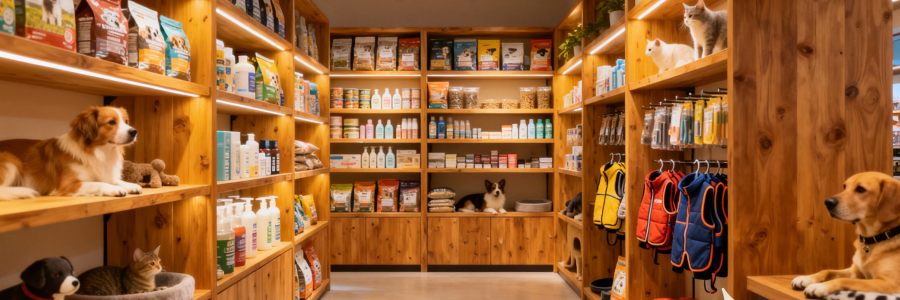
Analyzing real-world examples of successful pet dropshipping stores provides actionable insights into profitability, product selection, and operational strategy. While theoretical calculations of gross margin are useful, case studies reveal how businesses apply these principles to achieve sustainable revenue and profits.
1. Case Study: Premium Pet Food Dropshipping Store
- Product focus: Organic dog food and specialty treats
- Monthly sales: $25,000
- Average product cost: $22 per unit
- Average selling price: $40 per unit
- Gross margin: 45%
Analysis:
This store capitalized on the growing trend of pet humanization and premium nutrition. By targeting niche consumers who value organic and high-quality food, the store achieved consistent repeat purchases. Subscription options for monthly deliveries further stabilized cash flow. Even after factoring in marketing costs (~$3,500/month) and shipping (~$1,500/month), the store maintained a net profit of approximately $6,000/month, demonstrating the profitability of consumable pet products with recurring demand.
2. Case Study: Pet Toys and Accessories Store
- Product focus: Interactive cat toys, collars, and seasonal pet apparel
- Monthly sales: $18,000
- Average product cost: $5
- Average selling price: $15
- Gross margin: 66%
Analysis:
This store leveraged high-margin, low-cost products that appeal to impulse buyers. Effective social media marketing and influencer collaborations drove traffic, although customer acquisition cost (CAC) was high at around $6 per order. Seasonal products boosted revenue during holidays, increasing gross profit by 30% during peak periods. Net profit averaged $4,000-$5,000/month after advertising and operational expenses, illustrating that low-ticket, high-margin items can be profitable with effective marketing.
3. Case Study: Grooming and Healthcare Products Store
- Product focus: Shampoos, grooming kits, dental chews, supplements
- Monthly sales: $15,000
- Average product cost: $10
- Average selling price: $22
- Gross margin: 54.5%
Analysis:
By targeting health-conscious pet owners, this store maintained stable demand with minimal seasonality. Bundling grooming products with health supplements improved average order value (AOV) from $35 to $50, enhancing profitability. Returns were minimal (<3%), and advertising costs were moderate (~$2,000/month). The store reported a net profit of $3,500/month, highlighting that health-oriented products provide reliable revenue and maintain high margins.
4. Case Study: Pet Furniture Dropshipping Store
- Product focus: Orthopedic dog beds, luxury cages, and premium cat trees
- Monthly sales: $12,000
- Average product cost: $50
- Average selling price: $120
- Gross margin: 58%
Analysis:
Although slower-moving, high-ticket items generated significant revenue per sale. Shipping costs were a major factor ($1,500/month), and customer service inquiries were frequent due to sizing and delivery issues. Despite these challenges, net profits averaged $3,000/month, proving that high-ticket pet products can be profitable if operational costs are well-managed.
5. Key Insights from Case Studies
- Product selection matters: High-margin products with consistent demand—like toys and premium food—deliver the best balance of revenue and profitability.
- Marketing efficiency is critical: High CAC can erode margins; optimizing ROAS through paid ads and organic channels is essential.
- Operational control affects net profit: Shipping, returns, and handling costs directly impact profitability.
- Diversification stabilizes revenue: Combining low-ticket, high-volume items with high-ticket, lower-frequency items helps maintain cash flow.
Case studies of successful pet dropshipping stores confirm that the business model can be highly profitable when approached strategically. Key factors include selecting high-margin products, managing marketing and operational costs, and leveraging recurring demand or high-ticket items. By learning from real examples, dropshippers can optimize their product mix, pricing, and marketing strategies to maximize profitability.
Ultimately, these case studies demonstrate that dropshipping pet products is profitable when financial metrics, market trends, and operational efficiency are carefully considered.



No Comments