


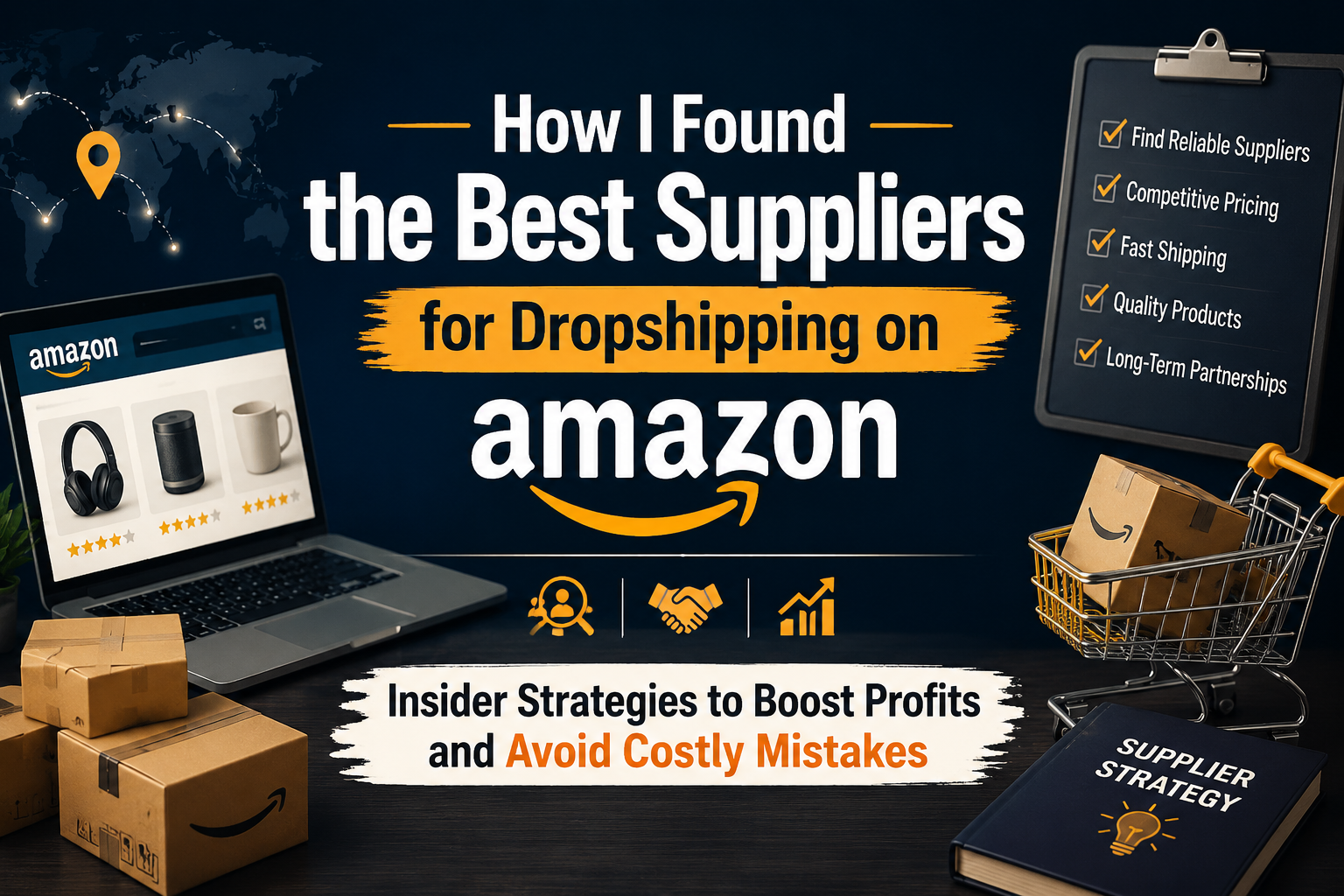
How I Found the Best Suppliers for Dropshipping on Amazon: Insider Strategies to Boost Profits and Avoid Costly Mistakes

Both domestic and international suppliers present trade-offs in cost, speed, reliability, and product selection. A well-informed Amazon dropshipping strategy carefully weighs these factors, potentially combining multiple sourcing approaches to optimize operational efficiency and customer satisfaction. By systematically evaluating suppliers, sellers can create a resilient supply chain that supports sustainable growth on Amazon.
Evaluating Domestic vs International Suppliers for Amazon Dropshipping
Choosing the right supplier is a critical step for any Amazon dropshipping business. One of the fundamental decisions involves whether to partner with domestic or international suppliers. Both options offer unique advantages and challenges, and understanding these factors is essential for building a sustainable business model that balances cost, speed, and customer satisfaction.
Domestic Suppliers: Speed and Reliability
Working with suppliers located within your country can significantly reduce shipping times, which is a major advantage when competing on Amazon. Customers increasingly expect fast delivery, and domestic sourcing helps meet these expectations. Furthermore, communication tends to be smoother due to shared time zones and language compatibility. Quality control is often easier because you can visit suppliers directly if needed, and resolving disputes or product defects is generally faster. However, domestic suppliers may charge higher prices, which can reduce profit margins, and product selection may be limited compared to international markets.
International Suppliers: Cost Efficiency and Product Variety
International suppliers, particularly those in regions like China, Southeast Asia, and Eastern Europe, often provide a wider variety of products at lower costs. This can enable Amazon sellers to offer competitive pricing and maintain higher profit margins. Nevertheless, working with overseas suppliers introduces complexities such as longer shipping times, customs duties, and potential language barriers. Time zone differences can delay communication, and the risk of shipment delays or product quality inconsistencies is higher. Dropshippers must also navigate import regulations and Amazon policies regarding shipping times to avoid account penalties.
Factors to Consider in Your Decision
When choosing between domestic and international suppliers, it is crucial to evaluate your priorities. If your primary goal is fast delivery and strong customer service, domestic suppliers may be preferable. If profitability and product diversity are more important, international suppliers could be a better fit. Consider hybrid strategies as well, where high-demand, fast-moving items are sourced domestically, while niche or less time-sensitive products come from international partners. Additionally, analyzing supplier reviews, requesting samples, and testing small orders can provide valuable insights before committing to long-term contracts.
How to Vet a Supplier’s Reliability and Track Record for Amazon Dropshipping Success
Finding a supplier is only the first step in building a successful Amazon dropshipping business. Equally important is ensuring that the supplier can reliably fulfill orders, maintain consistent product quality, and respond effectively to potential issues. A supplier’s track record directly impacts your reputation, customer satisfaction, and ultimately, your sales performance.
Assessing Supplier Credibility
The initial stage in vetting a supplier involves evaluating their credibility. This includes checking business licenses, certifications, and years of operation. Verified credentials offer reassurance that the supplier operates legally and meets industry standards. Online reviews, testimonials, and case studies provide additional insights. While positive reviews can indicate reliability, it is important to assess patterns in complaints and resolution practices rather than isolated incidents.
Analyzing Order Fulfillment History
A reliable supplier must demonstrate consistent order fulfillment. Key indicators include average shipping times, on-time delivery rates, and the ability to manage inventory effectively. Requesting sample orders is an essential practice, allowing you to test the quality of products, packaging, and delivery speed firsthand. Examining how the supplier handles bulk orders and seasonal demand fluctuations can also reveal potential risks that might affect your Amazon operations.
Communication and Responsiveness
Effective communication is a critical element of supplier reliability. Suppliers who respond promptly, provide clear information, and proactively address issues are far more likely to maintain a smooth workflow. Time zone differences, language barriers, and delayed responses can create operational bottlenecks, especially when dealing with urgent order adjustments or quality concerns. Establishing clear communication channels and setting expectations upfront can prevent misunderstandings and ensure a cooperative partnership.
Evaluating Return Policies and After-Sales Support
A supplier’s ability to handle returns, defects, and product replacements reflects their commitment to quality and service. Before committing to a partnership, review their return policies and after-sales support procedures. This ensures that you can maintain Amazon’s high standards for customer satisfaction without shouldering excessive risk. A supplier with structured, transparent processes reduces potential disruptions and protects your seller account from negative reviews or claims.
Leveraging Alibaba and Other B2B Platforms to Find Reliable Suppliers for Amazon Dropshipping
For Amazon dropshippers seeking a wide range of products at competitive prices, B2B platforms such as Alibaba, Global Sources, and Made-in-China present unparalleled opportunities. However, simply finding a supplier is not enough. Success depends on the ability to navigate these platforms strategically, evaluate potential partners, and establish clear agreements that minimize risk while maximizing profitability.
Choosing the Right Platform
Alibaba remains the most popular platform for global dropshipping, offering access to millions of manufacturers and wholesalers. Other platforms, such as Global Sources and Made-in-China, provide alternatives that may include suppliers with different pricing structures, product niches, or verified certifications. Selecting the right platform involves balancing product variety, quality assurance programs, and the responsiveness of suppliers. While some platforms emphasize lower costs, others focus on verified credentials and long-term partnerships, which can influence operational reliability.
Supplier Evaluation Strategies
Once a platform is chosen, evaluating suppliers becomes critical. Look for suppliers with verified credentials, years of experience, and positive transaction histories. Assessing reviews, ratings, and transaction volume helps identify partners with consistent performance. Engaging suppliers through direct communication allows sellers to gauge responsiveness, willingness to accommodate dropshipping models, and flexibility in terms of packaging or branding. Requesting samples before scaling orders ensures that the product quality matches Amazon’s customer expectations.
Negotiating Terms and Protecting Your Business
Negotiation is a key aspect of leveraging B2B platforms. Clearly defining terms such as minimum order quantities, shipping timelines, payment methods, and return policies protects both parties. Dropshippers should also verify that suppliers can handle small-batch orders and can integrate efficiently with Amazon’s requirements for labeling, packaging, and shipping. Using escrow services or secure payment methods reduces financial risk while maintaining trust.
Maintaining Long-Term Relationships
While these platforms facilitate discovery, sustainable success relies on building reliable supplier relationships. Regular communication, performance monitoring, and mutually beneficial agreements ensure that suppliers remain aligned with your operational needs. By treating suppliers as partners rather than temporary sources, Amazon dropshippers can achieve consistent quality, faster issue resolution, and long-term scalability.
Using Niche and Local Wholesalers to Source Unique Products for Amazon Dropshipping
In a competitive Amazon marketplace, standing out often requires offering products that are not widely available. While large B2B platforms provide volume and variety, niche and local wholesalers can deliver unique products that attract specific customer segments. Leveraging these suppliers requires careful research, strategic selection, and an understanding of how to balance exclusivity with operational feasibility.
Identifying Niche Opportunities
The first step is identifying product categories with low competition and high demand. This often involves analyzing Amazon sales data, trend reports, and social media insights. Niche wholesalers frequently specialize in specific product types, such as handmade items, eco-friendly goods, or regional specialties. By focusing on suppliers who cater to a particular market segment, sellers can secure products that differentiate their listings and justify premium pricing.
Evaluating Local Wholesalers
Local wholesalers offer advantages in speed and reliability. Shipping times are shorter, reducing the risk of negative reviews due to delayed delivery. Communication is generally easier, and returns or quality issues can be resolved more efficiently. However, local wholesalers may have higher unit costs and limited inventory. It is essential to establish relationships with multiple suppliers to ensure product availability and flexibility during peak demand periods.
Balancing Exclusivity and Scalability
While unique products can enhance a seller’s brand, scaling the business requires careful planning. Exclusive products often come in smaller quantities, which may limit the ability to fulfill large orders. Sellers should evaluate the supplier’s capacity to maintain inventory levels and accommodate growth. Negotiating agreements that allow for incremental scaling or exploring complementary product lines can help maintain profitability while preserving uniqueness.
Mitigating Risks
Working with niche suppliers carries certain risks, such as inconsistent quality, limited production capacity, and dependency on a single source. Mitigation strategies include testing small orders, requesting product samples, and monitoring supplier performance regularly. Diversifying suppliers within the same niche or region also reduces the impact of unforeseen disruptions and ensures that the Amazon store remains operational.
Automating Supplier Search and Integration for Efficient Amazon Dropshipping
In today’s fast-paced e-commerce environment, automation can provide a significant advantage for Amazon dropshippers. Manually searching for suppliers, monitoring inventory, and updating listings can be time-consuming and prone to errors. By leveraging automation tools and integration systems, sellers can streamline operations, reduce overhead, and respond more quickly to market changes while maintaining reliability and accuracy.
Automated Supplier Discovery
Automation begins with identifying suppliers who can reliably fulfill orders and maintain quality standards. Advanced software and sourcing platforms can filter suppliers based on criteria such as product category, minimum order quantity, shipping capabilities, and past performance. These tools reduce the time spent on manual research and provide a curated list of potential partners. By incorporating algorithms that track price changes, inventory levels, and supplier ratings, sellers gain real-time insights to make informed sourcing decisions.
Integration with Amazon
Beyond finding suppliers, integrating their systems with Amazon is critical for efficient dropshipping. Automated tools can synchronize inventory levels, update product listings, and manage order fulfillment without manual intervention. For example, API-based solutions allow Amazon sellers to connect directly with supplier databases, ensuring that stock information and pricing remain accurate. This reduces the risk of overselling, prevents delays, and maintains a consistent customer experience.
Monitoring and Alerts
Automation also enables proactive management of supplier relationships. Software can provide alerts for low inventory, delayed shipments, or price fluctuations. By receiving real-time notifications, sellers can act quickly to adjust listings, source alternative products, or communicate with suppliers to prevent disruption. This level of oversight helps maintain operational efficiency while safeguarding customer satisfaction.
Balancing Automation with Human Oversight
While automation improves efficiency, human judgment remains essential. Tools cannot fully replace the nuanced evaluation of product quality, supplier communication, or strategic decisions regarding new product lines. Successful Amazon dropshippers combine automated systems with periodic reviews and quality checks to ensure that operational processes remain aligned with business goals.
Negotiation Strategies and Building Long-Term Supplier Relationships for Amazon Dropshipping
Establishing strong relationships with suppliers is a cornerstone of a successful Amazon dropshipping business. While sourcing quality products is essential, the ability to negotiate favorable terms and foster lasting partnerships can directly influence profitability, operational stability, and customer satisfaction.
Preparing for Negotiation
Effective negotiation begins with preparation. Amazon dropshippers should analyze product costs, market trends, competitor pricing, and supplier margins before entering discussions. Having a clear understanding of your order volumes, flexibility, and expectations allows you to set realistic goals. Identifying areas where concessions are possible—such as payment terms, shipping schedules, or packaging requirements—can create opportunities for mutually advantageous agreements.
Negotiation Techniques
Building rapport and establishing trust are fundamental to productive negotiations. Communicate your long-term vision with the supplier and emphasize the potential for recurring business. Approach discussions collaboratively rather than confrontationally, focusing on problem-solving and shared objectives. Negotiation should not solely revolve around price; other factors such as reduced minimum order quantities, faster lead times, and quality guarantees often have greater strategic value for Amazon dropshippers.
Maintaining Long-Term Relationships
Sustaining supplier relationships requires ongoing effort beyond initial negotiations. Regular communication, performance monitoring, and transparency about order forecasts help prevent misunderstandings and foster trust. Recognizing suppliers as partners rather than mere vendors encourages cooperation during periods of increased demand or unexpected challenges. Timely payments, constructive feedback, and acknowledgment of reliability strengthen the partnership, which in turn ensures consistency in product quality and delivery.
Mitigating Risks and Contingencies
Even with strong relationships, suppliers may encounter disruptions. Effective dropshippers establish contingency plans, including multiple supplier options, safety stock, and flexible logistics solutions. By combining strategic negotiation with proactive risk management, sellers can minimize operational interruptions and safeguard customer satisfaction.
Negotiating effectively and cultivating long-term supplier relationships are critical components of Amazon dropshipping success. By preparing strategically, communicating transparently, and nurturing partnerships, sellers can secure favorable terms, maintain consistent quality, and achieve sustainable growth. These practices transform suppliers into reliable collaborators, providing a foundation for a resilient and scalable business model.




No Comments