


Is Dropshipping Water Bottles Profitable: 6 Proven Strategies for High Margins, Scalable Sales, and Market-Leading Profitability

By selecting high-quality water bottles tailored to fitness and outdoor enthusiasts, optimizing your marketing channels, and employing bundling strategies, dropshipping entrepreneurs can achieve strong margins while building a scalable brand. The combination of premium positioning, influencer-driven marketing, and operational automation makes this niche a top contender for profitable e-commerce ventures.
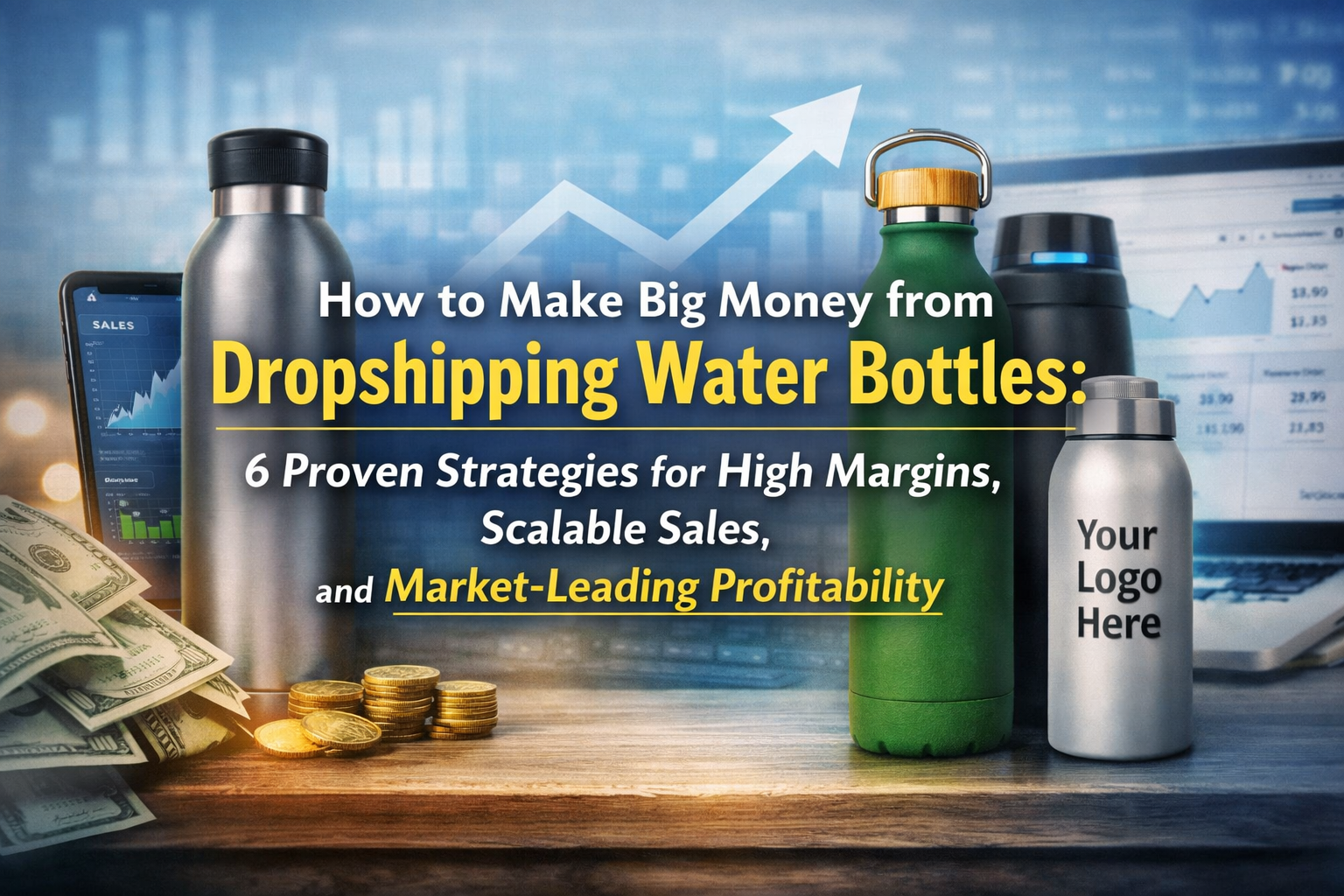
Premium Reusable Water Bottles for Fitness & Outdoor Enthusiasts
The global reusable water bottle market is projected to exceed $12 billion by 2028, driven by health-conscious consumers and eco-friendly trends. Targeting the fitness and outdoor niche presents an opportunity to leverage high-value, durable water bottles that command premium pricing. Dropshipping allows entrepreneurs to enter this space without upfront inventory costs, while capturing gross margins between 50–80% on carefully selected SKUs.
Identifying High-Margin Products:
Fitness enthusiasts and hikers prioritize functionality and aesthetics. Stainless steel insulated bottles, collapsible silicone bottles, and bottles with integrated filtration systems often sell between $25 and $60 per unit. Sourcing these from suppliers in Asia at $8–$20 per unit creates an average gross margin of 55–70%. By focusing on features like temperature retention, leak-proof design, or BPA-free certification, you position your product as premium, justifying a higher retail price.
Marketing and Positioning Strategy:
Social media platforms such as Instagram, TikTok, and Facebook are ideal for showcasing the lifestyle aspect of your product. Fitness influencers and outdoor bloggers can be leveraged for micro-campaigns with affiliate-based commissions, minimizing upfront ad spend. Creating content around hydration challenges, workout routines, or eco-friendly practices aligns your brand with your audience’s values and encourages repeat purchases.
Upselling and Bundling Tactics:
Bundle packages, such as “2-pack insulated bottles” or “hydration set with carrying sleeve and cleaning brush,” can increase average order value by 25–35%. Offering seasonal designs or limited editions fosters urgency and exclusivity, which can drive gross margins toward the higher end of the spectrum.
Automation and Scaling:
Using dropshipping platforms that integrate with Shopify, WooCommerce, or similar e-commerce solutions ensures seamless order processing. Automating fulfillment allows you to focus on marketing optimization, customer retention strategies, and data analysis, creating a scalable business with minimal operational overhead.
Personalized & Custom Water Bottles for Gifts and Corporate Clients
The demand for personalized and branded water bottles is surging, fueled by corporate gifting, promotional campaigns, and milestone celebrations. Companies and consumers are willing to pay a premium for bottles that feature custom logos, engraved names, or unique designs. Dropshipping these products enables entrepreneurs to cater to both B2B and B2C markets without holding inventory, capturing gross margins typically between 60–85%.
Product Selection and Sourcing:
High-quality stainless steel, BPA-free plastic, or glass bottles with custom printing options are ideal. Suppliers offering print-on-demand services allow you to charge $20–$40 for a bottle sourced at $6–$12, resulting in average margins of 65–75%. Bottles with advanced customization options—such as laser engraving or full-color UV printing—can command retail prices up to $50–$60, driving gross margins close to 80–85%.
Targeting the Right Audience:
Corporate clients, event organizers, and gift buyers are key segments. LinkedIn campaigns targeting HR managers, small business owners, or marketing teams can generate B2B leads efficiently. On the consumer side, Facebook Ads and Instagram are effective for promoting gifts tied to birthdays, weddings, or holidays. Seasonal campaigns like “Back to School” or “Christmas Corporate Gifts” can double monthly sales within weeks.
Upselling Strategies:
Bundle offers are highly effective in this niche. For instance, combining a customized water bottle with a matching tote bag or cleaning kit can increase average order value by 30–40%. Offering tiered discounts for bulk orders (e.g., 10+ units) encourages larger purchases from both corporate and consumer customers, further maximizing profit margins.
Operational Considerations:
Dropshipping suppliers with integrated customization tools streamline order fulfillment, eliminating manual processing errors. Automated platforms ensure personalized designs are printed accurately and shipped directly to clients, freeing you to focus on marketing, client acquisition, and customer service.
Eco-Friendly & Sustainable Water Bottles for Environmentally Conscious Consumers
Consumer demand for sustainable products has skyrocketed, with 73% of global consumers indicating they would pay more for environmentally friendly goods. Eco-friendly water bottles—made from recycled materials, bamboo, or stainless steel—offer a lucrative niche for dropshipping. By targeting environmentally conscious buyers, entrepreneurs can command premium prices while achieving gross margins between 50–75%.
Identifying High-Margin Eco Products:
Eco-conscious consumers often look for reusable bottles that minimize plastic waste. Bottles made from recycled aluminum or biodegradable materials can be sourced at $5–$12 and retail for $18–$35, yielding gross margins of 55–65%. Premium options with additional features such as bamboo lids, detachable infusers, or sleek minimalistic designs can sell for $40–$50, pushing margins toward 70–75%.
Marketing Strategy:
Marketing should emphasize sustainability and lifestyle alignment. Instagram reels, TikTok campaigns, and Pinterest boards showcasing eco-living tips or “zero waste” routines resonate strongly with this audience. Collaborating with eco-influencers or sustainability bloggers can generate authentic engagement, increase trust, and improve conversion rates. Hashtags like #PlasticFree, #EcoFriendlyLiving, and #SustainableHydration help expand organic reach.
Upselling and Subscription Opportunities:
Eco-friendly buyers are often willing to invest in complementary products. Offering bundles such as a reusable bottle with a collapsible straw set, cleaning brush, or eco-friendly tote bag can increase average order value by 20–35%. Subscription models for seasonal designs or limited-edition sustainable bottles create predictable recurring revenue while maintaining high margins.
Operational Considerations:
Partnering with dropshipping suppliers who provide eco-certified products ensures authenticity and reduces customer complaints. Automation platforms allow for seamless order processing, direct shipment, and easy handling of custom packaging for premium or gift orders, minimizing operational overhead while maintaining customer satisfaction.
Smart & Tech-Integrated Water Bottles for Health Tracking
The global smart water bottle market is projected to surpass $300 million by 2027, driven by consumer interest in health monitoring, hydration tracking, and IoT-enabled products. Dropshipping smart water bottles—those with Bluetooth connectivity, hydration reminders, or integrated sensors—offers a lucrative opportunity to capture tech-savvy buyers while achieving gross margins of 45–70%.
High-Margin Product Selection:
Smart bottles typically retail for $40–$90, depending on features. Sourcing costs from manufacturers range from $18–$40 per unit, translating to gross margins of approximately 50–55% for mid-range bottles and up to 70% for high-end models with advanced sensors or premium materials. Features like LED hydration reminders, smartphone app connectivity, or temperature tracking increase perceived value, allowing for higher price points.
Marketing & Positioning:
The target audience includes fitness enthusiasts, busy professionals, and tech gadget lovers. Instagram and TikTok ads demonstrating the smart bottle in action—tracking daily water intake or integrating with fitness apps—drive engagement. Tech review influencers on YouTube and Instagram can boost credibility and conversion rates. Highlighting health benefits, productivity gains, and lifestyle integration makes the product more compelling for purchase.
Upselling & Bundling Strategies:
Upselling accessories such as carrying sleeves, replacement lids, or smart bottle app subscriptions can increase average order value by 20–30%. Offering bundled packages—e.g., a smart water bottle with a fitness tracker or workout kit—targets health-conscious consumers willing to spend more on a complete wellness solution. Seasonal campaigns tied to New Year’s resolutions or fitness challenges also boost sales velocity.
Operational Considerations:
Partnering with reliable dropshipping suppliers who handle quality control and firmware updates is critical. Automated fulfillment ensures timely delivery and reduces customer service overhead, while pre-built integrations with e-commerce platforms allow for smooth order tracking and inventory management.
Trendy & Fashionable Water Bottles for Millennials and Gen Z
The demand for stylish and Instagram-worthy water bottles has grown significantly among Millennials and Gen Z consumers, who view hydration as both a lifestyle and a statement. Trend-driven products, featuring eye-catching colors, unique shapes, and collaboration designs, provide an opportunity for dropshipping entrepreneurs to capture high-margin sales in a competitive but highly engaged market. Gross margins in this niche typically range from 40–70%, depending on design complexity and branding.
Selecting High-Margin Trendy Bottles:
Popular products include holographic, glitter, or pastel-colored bottles, matte-finish stainless steel, and designer-inspired collaborations. Wholesale sourcing costs for these bottles are typically $5–$15, with retail prices ranging from $15–$35, yielding average gross margins of 50–60%. Limited-edition designs or co-branded collaborations with influencers can be sold for $40–$50, increasing margins to 65–70%.
Marketing and Social Media Strategy:
Social media is the primary driver in this niche. TikTok, Instagram Reels, and Pinterest allow you to showcase lifestyle and aesthetic appeal, often through short-form videos or “unboxing” content. Engaging micro-influencers who resonate with fashion-conscious audiences is a cost-effective method to generate brand awareness and drive traffic. Trend-based campaigns tied to seasons, colors, or viral challenges amplify visibility and increase conversion rates.
Upselling and Repeat Purchase Strategies:
Offering bundle deals, such as “2-pack matching bottles” or “bottle plus reusable straw kit,” increases average order value by 20–30%. Seasonal releases and limited-edition drops create urgency, encouraging repeat purchases and brand loyalty. Subscription models offering quarterly releases of new designs can further improve lifetime customer value while maintaining strong margins.
Operational Considerations:
Dropshipping suppliers with a proven track record of delivering on-trend products quickly are crucial. Automated order fulfillment ensures fast shipping, which is particularly important for fashion-conscious consumers who prioritize both aesthetics and speed. Integrating social proof and customer reviews into product pages further boosts credibility and conversion rates.
Bulk & B2B Water Bottles for Schools, Gyms, and Events
Selling water bottles in bulk to businesses, schools, gyms, or events is an often-overlooked but highly profitable dropshipping strategy. B2B customers prioritize volume and branding, allowing entrepreneurs to achieve gross margins between 50–80% while selling larger order sizes. This approach reduces dependency on individual consumer sales and creates recurring revenue streams.
Identifying High-Margin B2B Products:
Popular bulk items include stainless steel bottles, BPA-free plastic bottles, and insulated bottles with branding options. Suppliers often offer wholesale rates of $4–$10 per unit, which can be resold at $10–$25 per unit for bulk orders. Customized branding, such as logo printing or school colors, allows for higher markups, sometimes achieving 75–80% gross margins for mid-to-large orders.
Targeting B2B Clients:
Targeted outreach through LinkedIn, direct email campaigns, and partnerships with local schools, fitness centers, and event organizers is key. Offering pre-designed mockups or sample kits reduces hesitation and accelerates purchasing decisions. Seasonal campaigns, like back-to-school promotions or corporate wellness programs, can significantly boost order volume.
Upselling and Long-Term Relationships:
B2B customers often value recurring supply. Offering subscription-style programs or annual contracts for branded bottles ensures predictable revenue and customer retention. Upselling complementary items such as custom bottle carriers, cleaning kits, or hydration packages increases average order value by 20–40%. Multi-tier pricing for larger quantities further incentivizes bulk purchases.
Operational Considerations:
Dropshipping platforms integrated with order management systems allow for smooth handling of large orders and direct shipment to multiple locations. Choosing suppliers with high-quality printing and packaging capabilities minimizes returns and enhances client satisfaction. Automation reduces manual overhead while maintaining scalable operations for larger B2B clients.
By targeting schools, gyms, events, and corporate clients, dropshipping entrepreneurs can leverage bulk sales and branding opportunities to maximize margins and build a scalable, recurring revenue model. Strategic client targeting, upselling, and reliable fulfillment create a sustainable business that thrives on high-volume, high-margin orders.


No Comments