


Is Dropshipping Organic Products Profitable: 6 High-Margin Niches with 40–80% Gross Profit in the Booming Natural Products Market

Organic skincare represents one of the most lucrative dropshipping niches in the natural products market. The combination of high consumer demand, premium pricing, and low logistical complexity allows entrepreneurs to maximize gross margins effectively. By strategically selecting products, leveraging social proof, and optimizing marketing channels, dropshippers can create a profitable, scalable business in the organic skincare space.
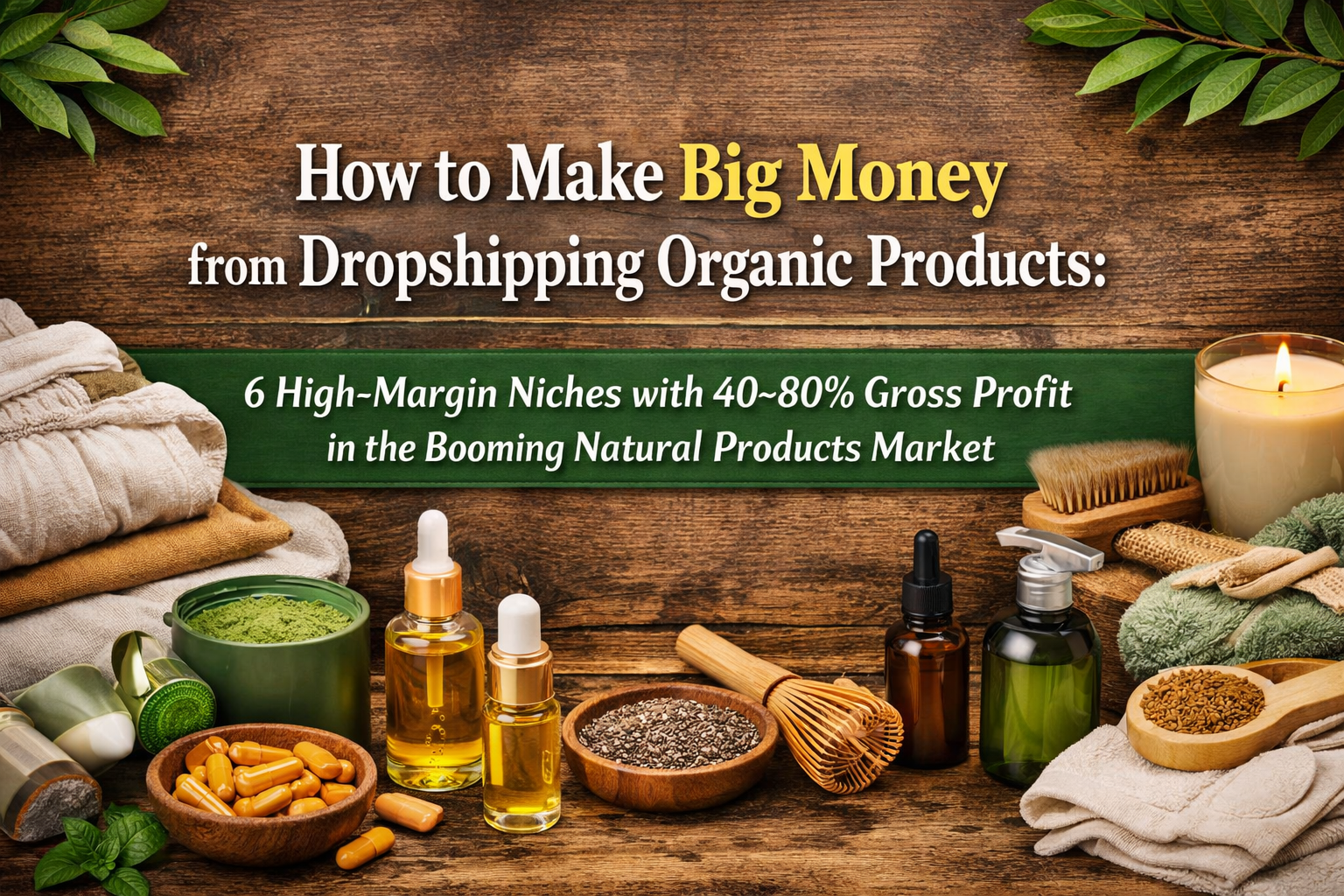
How to Make Big Money from Dropshipping Organic Skincare Products
The global organic skincare market has witnessed remarkable growth in recent years. In 2024, it is estimated to surpass $15 billion, with a projected compound annual growth rate (CAGR) of 9–12% over the next five years. Consumers are increasingly prioritizing natural ingredients, chemical-free formulations, and sustainable packaging, which drives demand for high-quality organic skincare. Dropshipping offers a unique opportunity to capitalize on this trend without the need for large upfront inventory investments.
High Margins and Profit Potential
One of the primary reasons organic skincare is ideal for dropshipping is the gross margin potential. Premium products such as organic face serums, anti-aging creams, and facial oils typically carry margins between 50% and 75%. For example, a $40 organic serum sourced from suppliers at $15–$20 can generate a net profit of $20–$25 per unit after platform fees and shipping. By focusing on higher-value items and bundling complementary products, dropshippers can further enhance average order value and profitability.
Popular and Profitable Product Categories
Certain niches within organic skincare tend to perform exceptionally well in the e-commerce landscape:
- Organic Face Serums: Targeting anti-aging and skin hydration, these products often command $30–$70 retail price.
- Organic Body Butters and Oils: These items are lightweight and have low shipping costs, making them perfect for global dropshipping.
- Organic Anti-Aging Creams: Premium creams can achieve repeat purchases due to subscription potential, increasing customer lifetime value (CLV).
- Natural Facial Masks and Exfoliants: Trend-driven items that allow for social media promotion and influencer marketing.
Each product category presents not only a high-profit opportunity but also the potential to build a brand around wellness, sustainability, and authenticity, which resonates strongly with today’s conscious consumers.
Marketing Strategies That Drive Revenue
Successful dropshipping in organic skincare requires targeted marketing strategies:
- Social Media Influence: Platforms like Instagram, TikTok, and Pinterest are ideal for demonstrating product efficacy and engaging beauty communities.
- Content Marketing: Educating consumers about the benefits of natural ingredients builds trust and encourages premium purchases.
- Bundle Offers: Combining complementary products (e.g., serum + moisturizer) increases average order value and profitability.
- Email and Subscription Programs: Repeat buyers are key in skincare; offering subscription discounts can stabilize recurring revenue.
By implementing these strategies, a well-managed organic skincare dropshipping store can achieve consistent gross margins of 50%+, while scaling marketing and product range based on customer demand and seasonal trends.
How to Make Big Money from Dropshipping Organic Supplements
The global health supplement market has exploded over the past decade, with a particular surge in organic and natural formulations. In 2024, the market is valued at over $170 billion, and organic supplements represent a growing premium segment. Consumers are seeking turmeric capsules, mushroom blends, detox powders, and collagen boosters to support immunity, energy, and overall wellness. The demand is driven by increased health awareness and the convenience of online purchasing, making dropshipping an ideal entry point for entrepreneurs.
Gross Margins and Profit Dynamics
Organic supplements offer some of the highest gross margins in e-commerce, often ranging between 55% and 80%. For instance, an organic turmeric capsule bottle with a retail price of $45 sourced at $15–$20 can yield a profit of $25–$30 per unit. Bundling products or creating subscription models can further increase customer lifetime value (CLV), as supplements are naturally recurring purchases. The combination of premium pricing and repeat demand makes this niche highly attractive for scalable dropshipping operations.
Profitable Product Categories
Several product categories in organic supplements have shown exceptional profitability:
- Organic Turmeric and Curcumin Capsules: Targeted for anti-inflammatory and joint health benefits, these are trending globally.
- Organic Mushroom Blends: Products containing reishi, lion’s mane, or chaga mushrooms appeal to the cognitive wellness and immunity markets.
- Organic Detox Powders and Green Drinks: Increasingly popular for daily health routines and “clean living” enthusiasts.
- Organic Collagen and Protein Boosters: Cater to both beauty-conscious and fitness-oriented consumers, providing repeat purchase potential.
These products are compact, non-fragile, and lightweight, reducing shipping costs and returns—key factors for maintaining strong gross margins in dropshipping.
Marketing Approaches to Maximize Revenue
Success in organic supplement dropshipping depends on strategic marketing:
- Educational Content: Blogs, video tutorials, and social posts explaining health benefits help establish authority and trust.
- Subscription and Auto-Replenish Programs: Encourage recurring orders for products that are consumed daily or weekly.
- Social Proof and Influencer Collaborations: Partnering with health influencers increases credibility and attracts niche audiences.
- Targeted Ads: Leveraging Facebook, Instagram, and Google Ads to reach health-conscious consumers efficiently.
A store that implements these strategies can consistently maintain gross margins above 55%, with opportunities to scale through upselling and seasonal promotions.
How to Make Big Money from Dropshipping Organic Baby Products
Parents today are increasingly focused on the health and safety of their infants, driving a surge in demand for organic baby products. In 2024, the global organic baby products market exceeds $10 billion, with an annual growth rate of 8–10%. Consumers are willing to pay a premium of 20–80% over standard products for items made from natural, chemical-free materials. From clothing and bedding to skincare and food accessories, this niche combines strong consumer trust with high repeat purchase potential, making it ideal for dropshipping.
Gross Margins and Profit Potential
Organic baby products generally allow for gross margins of 45–70%, depending on product category and sourcing. For example, a set of organic cotton baby clothing priced at $50 and sourced for $20–$25 can yield $25–$30 profit per unit. Products like organic baby skincare—lotions, shampoos, or oils—also offer high unit margins and the possibility of bundling complementary items, such as a skincare set including lotion, oil, and wipes, which increases average order value and customer lifetime value (CLV).
Popular and Profitable Product Categories
Several categories stand out for their profitability and consumer appeal:
- Organic Baby Clothing: Soft, chemical-free fabrics appeal to safety-conscious parents and allow for branding and private labeling.
- Organic Cotton Blankets and Bedding: Lightweight and easy to ship, these products have low return rates and strong market demand.
- Organic Baby Skincare Products: Lotions, oils, and creams target delicate infant skin, promoting repeat purchases due to continuous usage.
- Organic Baby Food Accessories: Items like feeding bottles, spoons, and snack containers made from BPA-free materials are trending with parents seeking safe mealtime solutions.
These products are small to medium in size, lightweight, and durable, which minimizes shipping costs and reduces logistical complexity for dropshipping operations.
Marketing Strategies for Maximum Revenue
Dropshipping success in the organic baby niche relies on targeted marketing and trust-building:
- Educational Content: Blogs and videos about baby health, organic materials, and safe product usage enhance credibility.
- Influencer Collaborations: Partnering with parent bloggers or family-focused social media influencers drives traffic and sales.
- Bundle Promotions: Offering coordinated sets—such as a skincare kit or clothing + blanket package—boosts average order value.
- Email Campaigns and Loyalty Programs: Encourage repeat purchases for consumable or replaceable items like skincare products and feeding accessories.
By combining these strategies, dropshippers can maintain high gross margins (45–70%) while building a loyal, repeat customer base in a growing and evergreen market.
How to Make Big Money from Dropshipping Organic Pet Products
The pet industry has experienced unprecedented growth over the last decade, with pet owners increasingly prioritizing health-conscious and natural products for their animals. In 2024, the global pet market exceeds $300 billion, with organic and natural pet products showing a 10%+ annual growth rate. Pet owners are willing to pay a premium for items that promote longevity, health, and overall wellness, creating a profitable opportunity for dropshipping businesses that focus on organic offerings.
Gross Margins and Profit Potential
Organic pet products typically allow for gross margins ranging from 40% to 65%, depending on the product type. For example, organic dog treats priced at $25–$35 and sourced at $12–$15 can yield $13–$20 per unit profit. Similarly, organic pet shampoos or supplements can achieve comparable margins. Many pet products are lightweight, durable, and compact, minimizing shipping costs and maximizing profitability. Leveraging subscription models for consumable items like treats or supplements can further increase recurring revenue and customer lifetime value (CLV).
Profitable Product Categories
Certain categories within the organic pet niche consistently outperform others:
- Organic Dog Treats: High-demand for functional treats that support joint health, digestion, and skin condition.
- Organic Cat Food Toppers: Add-ons that enhance flavor and nutrition, often purchased repeatedly.
- Organic Pet Shampoos and Grooming Products: Natural, chemical-free grooming items appeal to owners who prioritize pet health.
- Organic Pet Supplements: Vitamins, probiotics, and joint health supplements for both dogs and cats provide recurring revenue opportunities.
These categories allow dropshippers to target both first-time pet owners and experienced pet enthusiasts, creating a broad and engaged audience.
Marketing Strategies to Maximize Revenue
Success in the organic pet niche relies on targeted marketing and brand credibility:
- Social Media and Influencers: Platforms like Instagram, TikTok, and YouTube allow brands to showcase pets using products, creating emotional connections with audiences.
- Educational Content: Articles or videos about pet wellness, nutrition, and the benefits of organic products build authority and trust.
- Subscription and Bundled Offers: Offering monthly treat boxes or supplement packs increases repeat purchases and CLV.
- Seasonal Promotions: Pet-specific holidays, birthdays, and wellness months can be leveraged for limited-time campaigns to boost sales.
A strategic combination of content, influencer partnerships, and subscription models enables dropshippers to maintain healthy gross margins while scaling their business effectively.
How to Make Big Money from Dropshipping Organic Superfoods
The global superfoods market has seen rapid expansion as consumers increasingly prioritize healthy, nutrient-dense, and natural foods. By 2024, the market is valued at over $200 billion, with organic superfoods capturing a growing share due to the preference for chemical-free, sustainable, and non-GMO products. Items such as organic matcha, chia seeds, spirulina, and mushroom coffee have surged in popularity among health-conscious and lifestyle-focused consumers. This trend creates a lucrative opportunity for dropshipping businesses looking to tap into high-margin, recurring-demand products.
Gross Margins and Profit Potential
Organic superfoods are ideal for dropshipping because they offer gross margins between 45% and 65%. For instance, a 200-gram pack of organic matcha selling for $40 and sourced at $18–$22 can generate a profit of $18–$22 per unit. Bundling products, such as a wellness kit containing matcha, spirulina, and chia seeds, can increase the average order value while encouraging customers to try multiple products. Lightweight, shelf-stable, and non-perishable qualities further reduce logistical challenges and returns, enhancing profitability.
Popular and Profitable Product Categories
Several organic superfood products consistently show high sales potential:
- Organic Matcha and Green Teas: High-demand products for energy, metabolism, and detox purposes.
- Organic Chia, Flax, and Hemp Seeds: Functional superfoods that are easy to integrate into diets, appealing to a broad audience.
- Organic Spirulina and Algae Powders: Popular among fitness enthusiasts and health-conscious consumers for detox and nutrient support.
- Organic Mushroom Coffee and Blends: Trendy alternatives to conventional coffee, combining adaptogenic benefits with wellness appeal.
These categories attract repeat buyers who are committed to long-term health routines, providing an excellent base for subscription-based sales and upselling strategies.
Marketing Strategies to Maximize Revenue
To succeed in the organic superfoods dropshipping market, consider these strategies:
- Educational Content Marketing: Providing detailed articles, recipes, and videos demonstrating the health benefits of each product builds trust and positions your brand as an authority.
- Social Media and Influencer Campaigns: Platforms like Instagram, TikTok, and YouTube are ideal for visual demonstrations of recipes and lifestyle integration.
- Subscription Boxes and Bundles: Offering monthly wellness boxes or curated product sets encourages recurring purchases and maximizes customer lifetime value.
- Targeted Ads: Health-conscious demographics can be effectively reached through Facebook, Instagram, and Google Ads, optimizing ad spend for high ROI.
Implementing these strategies allows dropshippers to consistently maintain gross margins of 45–65%, while scaling operations to meet growing consumer demand.
How to Make Big Money from Dropshipping Organic Home & Lifestyle Products
Consumers are increasingly seeking natural, chemical-free, and sustainable products for their homes, from cleaning supplies to bedding and lifestyle essentials. In 2024, the eco-friendly home products market exceeds $80 billion, with natural cleaning products and organic lifestyle items growing at 8%+ annually. Rising awareness about indoor air quality, chemical exposure, and environmental sustainability has fueled demand for products such as organic cleaning solutions, candles, essential oils, and organic bedding. For dropshipping entrepreneurs, this represents a highly scalable and profitable niche.
Gross Margins and Profit Potential
Organic home and lifestyle products typically offer gross margins ranging from 40% to 60%. For example, a set of organic cotton bedsheets priced at $60 and sourced at $30–$35 can generate a net profit of $25–$30 per unit. Similarly, organic cleaning supplies, lightweight candles, or essential oils purchased for $10–$15 and sold for $25–$35 yield strong per-unit profits. These products are often small or lightweight, reducing shipping costs and allowing entrepreneurs to maintain healthy margins while reaching a global audience.
Profitable Product Categories
Several categories within the organic home niche demonstrate strong sales potential:
- Organic Cleaning Supplies: Non-toxic, eco-friendly solutions for kitchens, bathrooms, and general household cleaning appeal to environmentally conscious consumers.
- Organic Bedding and Linens: Premium, chemical-free sheets, blankets, and pillowcases attract health-conscious buyers who prioritize comfort and safety.
- Organic Candles and Home Fragrances: Natural soy or beeswax candles offer both aesthetic and wellness appeal, with high markups in e-commerce.
- Essential Oils and Diffusers: These products cater to wellness routines and lifestyle trends, providing opportunities for bundling and subscription models.
The combination of visual appeal, recurring use, and premium positioning makes this niche suitable for both social media marketing and repeat sales strategies.
Marketing Strategies to Maximize Revenue
Effective marketing in the organic home products niche requires a focus on trust, lifestyle integration, and education:
- Content Marketing: Articles, tutorials, and videos showcasing cleaning hacks, aromatherapy benefits, or eco-friendly routines enhance brand authority.
- Social Media Influence: Instagram, Pinterest, and TikTok are ideal platforms for demonstrating product use in attractive home settings.
- Bundles and Subscription Programs: Offering starter kits, seasonal bundles, or monthly essential oil packages increases average order value and encourages repeat purchases.
- Targeted Ads: Ads highlighting health benefits, sustainability, and eco-conscious living resonate strongly with environmentally aware audiences.
These strategies help maintain consistent gross margins of 40–60%, while scaling the business to reach broader, lifestyle-focused customer segments.




No Comments