


Is from Dropshipping Handmade Products Profitable: Unlock 6 Lucrative Niches with High-Margin Potential

Personalized jewelry combines high gross margins, strong emotional appeal, and scalable dropshipping operations. For entrepreneurs looking to maximize revenue in the handmade products market, this niche offers a clear pathway to significant profit while maintaining brand flexibility and customer loyalty.
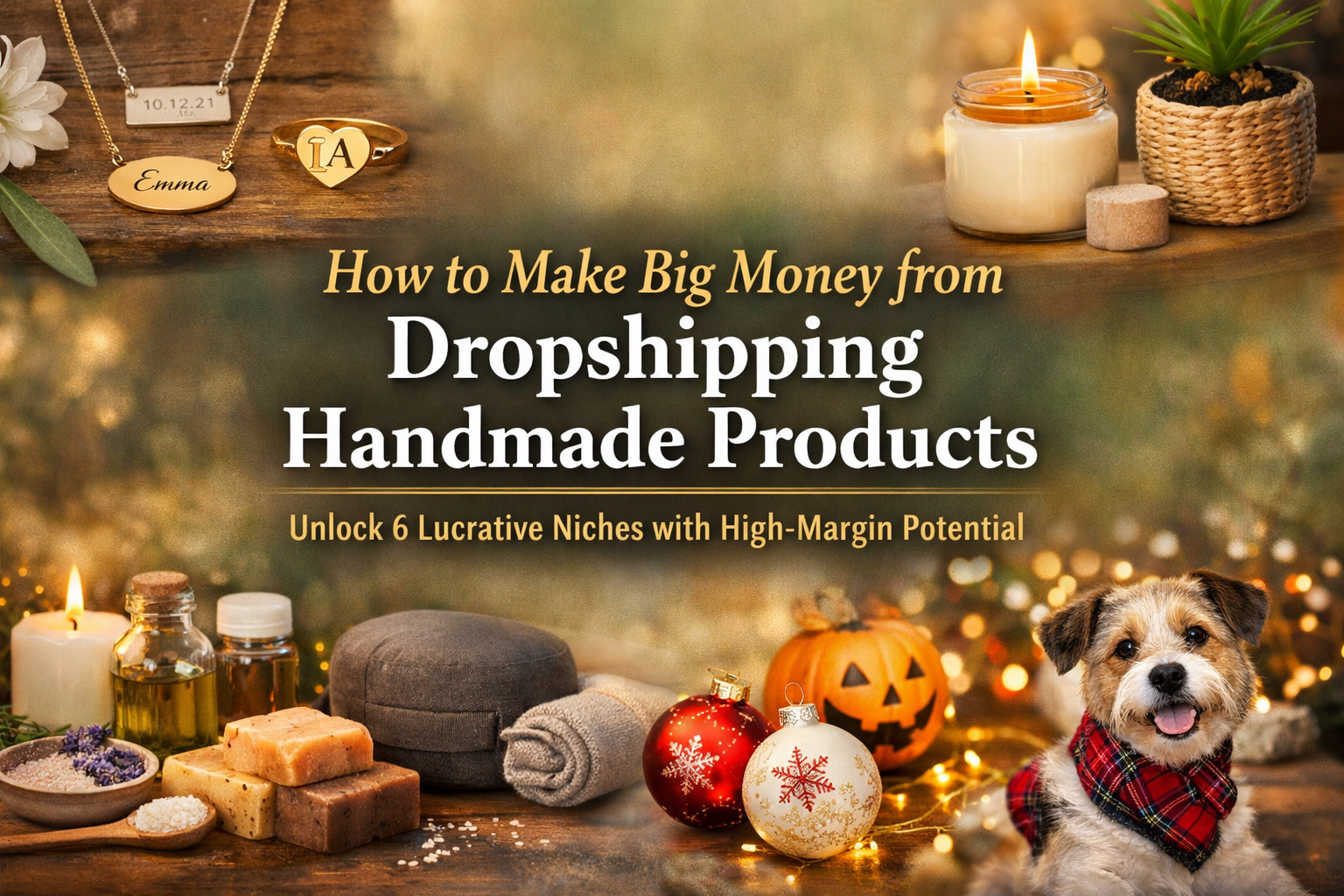
High-Margin Personalized Jewelry: How to Make Big Money from Dropshipping Handmade Products
In the competitive world of handmade products, personalized jewelry stands out as one of the most lucrative dropshipping niches. Custom necklaces, bracelets, rings, and engraved pieces are in high demand, particularly among gift buyers seeking meaningful, one-of-a-kind items. The appeal of personalization allows sellers to command premium prices, often resulting in gross margins between 60% and 75%, significantly higher than generic fashion jewelry.
Market data shows that personalized gifts represent a multi-billion-dollar segment in the global jewelry market. For example, custom engraved necklaces on major e-commerce platforms often retail for $45–$120 while sourcing costs for the same item can be as low as $15–$30. This margin provides substantial room for marketing, upselling, and strategic bundle offers.
Dropshipping personalized jewelry has several unique advantages. First, it leverages the scalability of print-on-demand or small-batch artisans without the burden of inventory management. Second, the niche benefits from high emotional value; consumers are willing to pay extra for names, initials, dates, or custom designs, especially around holidays, anniversaries, and milestones. Marketing strategies that emphasize the emotional connection—such as storytelling, lifestyle photography, and social media campaigns—can dramatically increase conversion rates.
Another critical factor is social media traction. Platforms like Instagram, TikTok, and Pinterest are ideal for showcasing custom jewelry through influencer partnerships, unboxing videos, and user-generated content. Data suggests that handcrafted and personalized items have a higher share of engagement on visual platforms compared to generic accessories, which translates directly into higher sales.
From a logistical perspective, dropshippers can collaborate with artisans who can fulfill orders on demand, enabling a flexible business model with minimal upfront costs. By focusing on limited editions, seasonal promotions, and high-quality photography, sellers can enhance perceived value and justify higher price points, ensuring sustained profitability.
Tapping into Sustainability Trends for High-Margin Home Accessories
Eco-friendly handmade home decor is emerging as a premium niche in the dropshipping market, offering entrepreneurs the opportunity to combine sustainability with substantial profits. Products such as hand-poured candles, terracotta planters, woven baskets, recycled wood wall art, and natural fiber home textiles resonate with consumers who prioritize environmentally responsible living. The market for sustainable home products is growing rapidly, with data showing that global eco-conscious consumer spending on home decor has increased by over 15% annually in the past five years.
The financial appeal of this niche is significant. Gross margins for handmade, sustainable home items typically range between 50% and 70%. For example, a handcrafted soy candle may retail for $30–$50, while sourcing costs average only $10–$15. Similarly, artisanal planters and decor pieces can be marked up two to three times their production cost due to the added value of sustainability and craftsmanship.
Dropshipping these products offers operational advantages. Entrepreneurs can partner with artisans who produce items on demand or in small batches, eliminating inventory risk while maintaining product authenticity. The handmade aspect also allows for storytelling, which is critical in branding; consumers are willing to pay a premium when they feel a personal connection to the maker or the environmentally conscious ethos of the product.
Marketing eco-friendly home decor effectively requires emphasizing both the aesthetic and the ethical value. High-quality photography highlighting natural textures, social media campaigns featuring “sustainable living” influencers, and content marketing around home styling tips can increase engagement and conversion rates. Seasonal campaigns, such as Earth Day or holiday gift promotions, further enhance revenue potential, as consumers actively seek thoughtful and environmentally responsible gifts.
Additionally, this niche benefits from repeat purchase behavior. Homeowners frequently refresh decor or expand collections, providing opportunities for upselling and cross-selling complementary items such as candle sets, matching planters, or decorative trays. By leveraging limited editions and exclusive designs, dropshippers can cultivate a sense of scarcity, driving urgency and higher average order values.
Leveraging Artisan Cosmetics for Repeat Sales and High Margins
Handmade beauty and skincare products represent one of the most profitable niches in the handmade dropshipping market. Artisanal soaps, bath bombs, body lotions, facial oils, and scrubs appeal to consumers seeking natural, high-quality alternatives to mass-produced cosmetics. The global demand for organic and handcrafted skincare is projected to grow by more than 8% annually, reflecting a strong shift toward wellness and clean beauty.
Financially, this niche delivers impressive gross margins, often between 60% and 80%. For instance, a handcrafted soap bar or bath bomb can retail for $10–$25 while costing only $2–$5 to source or produce. Similarly, small-batch body lotions and oils can achieve retail prices of $25–$50 with sourcing costs under $15. These margins allow dropshippers to reinvest in marketing, branding, and product line expansion without heavy upfront inventory commitments.
Dropshipping handmade skincare offers distinct advantages. Sellers can partner with small-scale artisans or local producers to fulfill orders on demand, minimizing risk while emphasizing product authenticity. Consumers are particularly loyal to handmade beauty items, often engaging in repeat purchases or subscribing to monthly boxes, which increases lifetime customer value. This behavior differentiates the niche from general cosmetics, where brand switching is common.
Effective marketing in this sector focuses on storytelling and lifestyle positioning. Highlighting ingredients, production methods, and ethical sourcing in product descriptions or social media campaigns resonates with health-conscious buyers. Platforms like Instagram, Pinterest, and TikTok are ideal for showcasing product textures, tutorials, and customer testimonials. Influencer partnerships further amplify reach, particularly when content emphasizes wellness, self-care, and the artisanal nature of the products.
The niche also benefits from seasonal and gifting opportunities. Limited-edition holiday scents, curated gift sets, and themed packaging drive urgency and increase average order value. Additionally, handmade skincare aligns with broader wellness trends, such as mindfulness, natural remedies, and eco-friendly consumption, making it easier to justify premium pricing.
Capitalizing on the Booming Pet Market with Custom Handmade Items
The pet industry has become one of the fastest-growing consumer markets worldwide, and handcrafted pet accessories offer dropshippers a unique opportunity to capture high-margin sales. Handmade collars, leashes, beds, toys, and apparel cater to pet owners seeking quality, individuality, and style for their pets. With U.S. pet industry spending exceeding $130 billion annually, and global growth projected at 5–6% per year, this niche provides both scale and profitability.
Financially, crafted pet accessories often achieve gross margins between 55% and 70%. For example, a custom leather collar may retail for $45–$70 while sourcing costs remain $15–$25. Handmade pet beds and toys similarly carry premium pricing due to material quality and design customization. These margins are attractive for dropshippers because they allow reinvestment into marketing, branding, and expanded product lines without heavy upfront inventory.
Dropshipping handmade pet items benefits from a highly engaged, repeat-buying audience. Pet owners are emotionally invested in their pets and are willing to spend on premium products that reflect their pets’ personalities. Personalization, such as embroidered names or custom color combinations, enhances perceived value and encourages higher average order values. Social media platforms—particularly Instagram and TikTok—have proven highly effective for showcasing pets using products, creating organic virality and user-generated content that drives traffic and conversions.
Marketing strategies in this niche emphasize emotional connection, quality, and exclusivity. Storytelling about artisans, materials, or eco-friendly production methods adds credibility and differentiates products from mass-produced alternatives. Seasonal campaigns—such as holiday-themed pet outfits, birthday accessories, or summer-ready toys—can create urgency and capitalize on short-term spikes in demand. Influencer collaborations within the pet community further amplify reach and engagement, often producing high ROI due to targeted audiences of passionate pet owners.
Moreover, the niche benefits from expansion opportunities. Complementary products such as matching owner-pet accessories, bundles, or subscription boxes encourage repeat sales and higher lifetime customer value. Dropshippers can also leverage limited edition collections to create scarcity, driving urgency and premium pricing.
Maximizing Profit Through Timely, Trend-Driven Artisanal Products
Seasonal and festival-specific handmade goods represent a high-margin niche that allows dropshipping entrepreneurs to capitalize on short-term but intense consumer demand. Products such as Halloween costumes, Christmas ornaments, Easter decorations, wedding favors, and limited-edition festival gifts appeal to buyers looking for unique, handcrafted items that stand out from mass-produced alternatives. This niche benefits from predictable spikes in demand, with data showing that holiday-related e-commerce sales can increase by 20–40% during peak periods.
Gross margins in this niche are particularly strong, often ranging from 65% to 80%. For instance, a handcrafted Halloween mask may retail for $40–$70 while sourcing costs remain $15–$25. Customized Christmas ornaments or wedding favor sets similarly allow for premium pricing, as consumers value uniqueness, personalization, and artisan quality. The combination of high perceived value and time-limited availability creates an environment conducive to rapid sales and significant profitability.
Dropshipping seasonal handmade goods provides logistical advantages as well. Entrepreneurs can leverage on-demand production or partner with artisans capable of fulfilling orders with minimal inventory risk. Marketing is central to success, with timing being critical; launching campaigns weeks before key holidays ensures visibility, while social media platforms like Instagram, TikTok, and Pinterest allow sellers to showcase visually compelling, trend-aligned products. Paid ads targeting seasonal shoppers can also drive high ROI due to the time-sensitive nature of purchases.
Emotional appeal and exclusivity are powerful tools in this niche. Personalized or limited-edition items—such as engraved holiday decorations, themed gift sets, or bespoke festival apparel—enhance perceived value and encourage higher average order values. User-generated content, influencer promotions, and storytelling around the crafting process can further amplify engagement and sales.
Additionally, entrepreneurs can implement recurring strategies, such as launching annual collections or creating “tradition-based” products that customers anticipate year after year. Bundling products, offering early-bird discounts, and leveraging scarcity all contribute to maximizing margins. Seasonal dropshipping businesses also benefit from the potential for cross-selling and upselling, especially when products align with multiple holidays or festivals.
Capitalizing on the Premium Self-Care and Wellness Trend
Handmade lifestyle and wellness products represent a rapidly expanding niche in the dropshipping market, combining high consumer demand with strong profit potential. Items such as yoga mats, meditation cushions, aromatherapy kits, handcrafted essential oil diffusers, and artisanal wellness accessories appeal to health-conscious buyers seeking quality, unique, and sustainable products. The global wellness industry is valued at over $4.5 trillion, and the artisanal wellness segment is experiencing annual growth rates of 6–8%, signaling a robust opportunity for dropshippers.
Financially, this niche offers gross margins ranging from 50% to 75%. For example, a handcrafted meditation cushion can retail for $60–$120 while production costs remain $25–$50. Similarly, specialty aromatherapy kits or premium wellness bundles can achieve high markups, providing ample room for marketing, branding, and bundle strategies without heavy inventory investments. The combination of premium positioning and perceived value allows dropshippers to maintain consistent profitability.
Dropshipping handmade wellness products benefits from the rising trend of self-care and lifestyle-focused purchases. Consumers often engage in repeat buying behavior, replenishing items like organic candles, essential oils, or reusable yoga accessories, which increases lifetime customer value. Moreover, limited editions, seasonal scents, or wellness kits tailored to specific lifestyles (e.g., mindfulness, fitness, relaxation) enhance product differentiation and justify premium pricing.
Marketing in this niche relies heavily on storytelling, visual appeal, and alignment with wellness values. Platforms like Instagram, Pinterest, and TikTok allow dropshippers to showcase products in real-life lifestyle settings, while educational content around meditation, yoga, or self-care routines establishes brand authority. Influencer partnerships within wellness and lifestyle communities also amplify reach and drive high conversion rates, as followers trust recommendations from aligned experts.
Additional strategies to increase profitability include product bundling, subscription boxes, and seasonal promotions. For example, a “mindful living kit” combining a meditation cushion, incense, and essential oils can command higher prices than individual items, maximizing gross margins. Emphasizing eco-friendly materials, handcrafted quality, and ethical production further enhances perceived value and resonates with premium consumers.
Handmade lifestyle and wellness products offer a compelling combination of high gross margins, growing market demand, and opportunities for repeat purchases. Dropshippers who strategically position their brand around quality, sustainability, and holistic lifestyle appeal can achieve significant revenue while fostering long-term customer loyalty in this thriving artisanal niche.




No Comments