


Is Dropshipping Garden Tools Profitable: Try These High-Margin Niches for Maximum Profit

Focusing on premium gardening tools provides dropshippers with a clear path to high margins and scalable profits. By leveraging high-quality products, targeted marketing, and value-added services, sellers can build a sustainable online business that meets the needs of discerning gardeners. With gross margins often exceeding 50%, this niche represents a strategic opportunity for entrepreneurs seeking to maximize profitability in the dropshipping space.
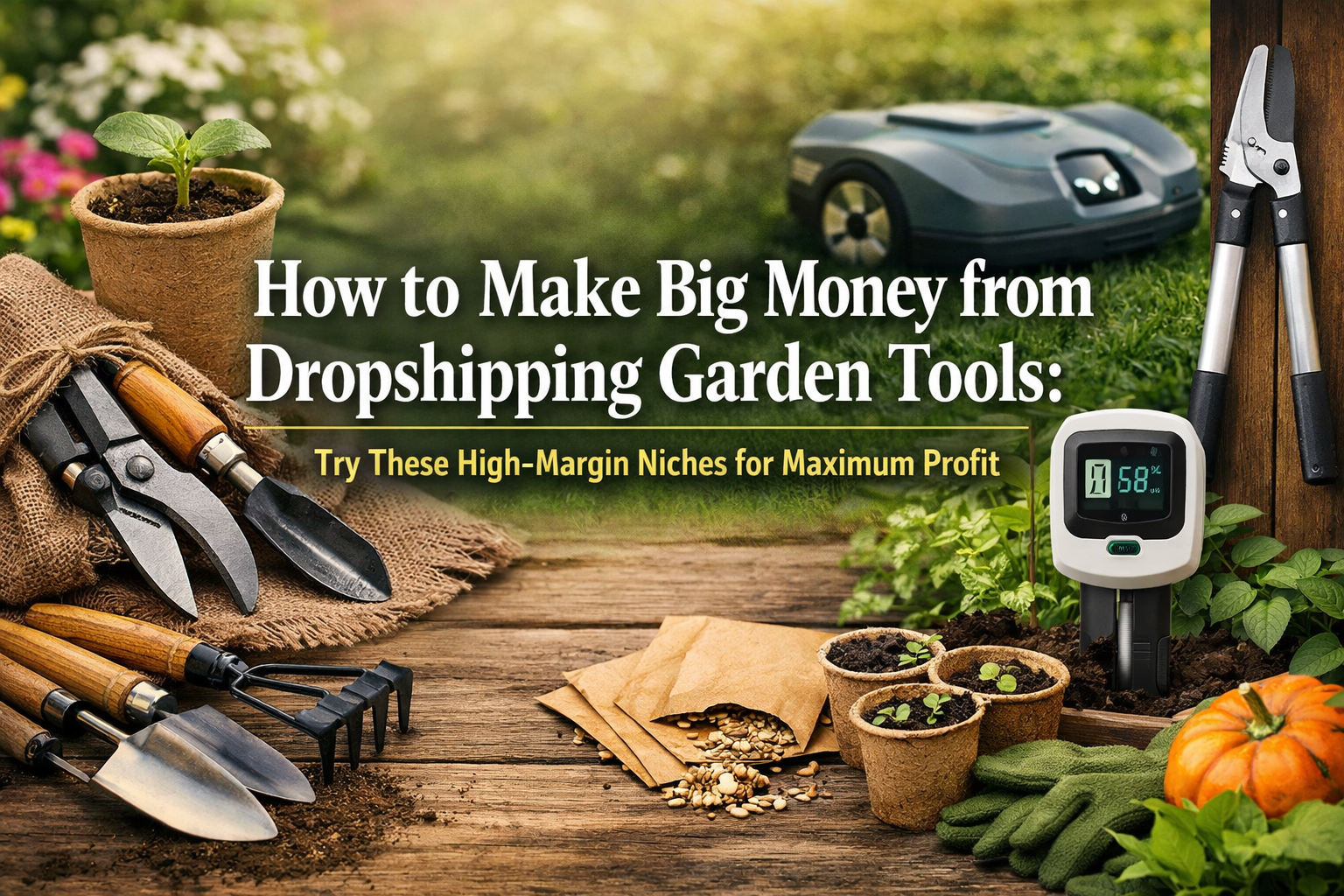
Premium Gardening Tools for Niche Enthusiasts: High-End Dropshipping Opportunities
In the world of dropshipping, niche specialization often leads to higher profit margins. Premium gardening tools cater to enthusiasts who prioritize quality, durability, and precision. Products such as forged steel trowels, ergonomic pruning shears, and imported cast iron spades are in high demand among hobbyists and professional gardeners alike. Unlike mass-market tools, these high-end items allow for substantial markups, with gross margins ranging from 50% to 70%, making them an ideal category for profitable dropshipping.
Market Insights and Consumer Behavior
According to Statista, the high-end gardening tools segment in North America has been experiencing an annual growth rate of 7.5%. This growth is fueled by consumers who are willing to pay a premium for tools that offer longevity and superior performance. A typical imported pruning shear, for example, may cost $25 wholesale and sell for $60 online, generating a gross profit of $35 per unit, or a 58% margin. For dropshipping entrepreneurs, the absence of inventory storage reduces upfront costs, allowing the business to focus on customer acquisition and niche branding.
Strategies for Maximizing Profits
To capitalize on this segment, sellers should highlight product craftsmanship and material quality in their listings. High-resolution images, detailed descriptions, and customer testimonials emphasizing durability can significantly increase perceived value. Bundling complementary tools, such as a high-end trowel with a pruning shear set, can further increase average order value while maintaining strong gross margins. Additionally, targeting gardening forums, niche social media groups, and influencer collaborations can attract a dedicated audience willing to invest in quality.
Key Considerations for Dropshippers
While premium tools offer lucrative margins, attention must be paid to supplier reliability and shipping times. Delays or poor packaging can erode customer trust, particularly in a market where buyers expect a premium experience. Partnering with suppliers who provide quality assurance and tracking options is essential. Furthermore, offering post-purchase support or instructional content on tool usage can enhance the brand’s reputation and encourage repeat business.
Eco-Friendly and Sustainable Garden Tools: Profitable Dropshipping in the Green Market
As environmental awareness grows, consumers increasingly seek eco-friendly products, including garden tools. Sustainable options—such as bamboo-handled trowels, compostable seedling trays, and recycled steel shears—appeal to gardeners who prioritize ethical and environmentally responsible purchases. For dropshipping businesses, these products offer the dual advantage of high demand and attractive gross margins, typically ranging from 40% to 65%.
Market Trends and Growth Potential
GlobalData reports that the eco-friendly consumer goods market is expanding at an annual rate exceeding 8%, with Europe and North America leading the trend. Within the gardening sector, this growth is reflected in increased online searches and social media engagement for sustainable gardening solutions. For instance, a bamboo-handled pruning shear may wholesale for $15 and sell online for $35, resulting in a gross margin of approximately 57%. These margins make sustainable garden tools a lucrative niche for dropshippers looking to maximize profits without holding inventory.
Marketing and Positioning Strategies
Success in this niche depends on emphasizing environmental value alongside product quality. Listings should highlight biodegradable materials, low environmental impact manufacturing, and long-lasting durability. Storytelling plays a critical role: sharing supplier practices or the benefits of sustainable gardening can increase perceived value and justify premium pricing. Bundling products into “eco-friendly gardening kits” further enhances average order value while reinforcing the green brand narrative.
Leveraging Audience Engagement
Targeted marketing is essential. Social media platforms, particularly Instagram and Pinterest, are ideal for reaching environmentally conscious gardeners. Collaborations with eco-focused influencers can amplify brand visibility and attract a dedicated following. Additionally, content marketing through blog posts or email newsletters on sustainable gardening practices positions the dropshipping brand as an authority, encouraging repeat purchases and higher customer loyalty.
Operational Considerations
Maintaining high margins in this niche requires careful supplier selection. Dropshippers should partner with manufacturers that provide verified sustainable materials and quality assurance. Transparent shipping practices, including eco-friendly packaging, can further strengthen the brand’s reputation. Given that customers in this segment are willing to pay more for environmental responsibility, investing in these operational details supports long-term profitability.
Compact and Urban Gardening Tools: Profitable Dropshipping for City Gardeners
The rise of urban living has created a growing market for compact, multi-functional gardening tools. Apartment balconies, rooftop gardens, and small backyard spaces require solutions that maximize efficiency and convenience. Products such as foldable shovels, mini hand trowels, and versatile spray bottles are in high demand. Dropshipping these compact tools offers a strong margin potential, typically between 40% and 60%, due to their relatively low wholesale cost and high perceived value.
Market Insights and Trends
According to the Urban Farming Report, urban gardening-related product sales have grown over 12% annually over the past five years, reflecting a sustained interest in city-based horticulture. A mini urban gardening kit, for example, may wholesale for $20 and sell online for $50, delivering a gross profit of $30 per unit, which equates to a 60% margin. This growth is fueled by millennials and Gen Z consumers seeking sustainable and space-efficient gardening solutions.
Strategies for High Margins
Dropshippers can capitalize on this niche by offering curated sets of tools designed specifically for small spaces. Bundling a foldable shovel with a compact watering can and soil scoop not only increases average order value but also enhances convenience for the customer. Highlighting features such as portability, ergonomic design, and multi-functionality in product descriptions boosts perceived value and justifies higher pricing.
Targeted Marketing Approaches
Social media marketing plays a critical role in this segment. Platforms like Instagram, TikTok, and Pinterest are effective for showcasing urban gardening setups and demonstrating product usability. Content that features practical tips, DIY mini-garden tutorials, or space-saving hacks resonates with urban audiences and drives engagement. Collaborating with influencers specializing in apartment living or eco-friendly urban lifestyles can further amplify reach and sales.
Operational Considerations
Reliability in shipping and product quality is essential to maintain trust, particularly for customers purchasing higher-margin bundles. Dropshippers should select suppliers who provide durable, lightweight products that withstand frequent use. Additionally, emphasizing eco-friendly packaging or modular design can differentiate offerings in a competitive urban gardening market.
Automated and Smart Gardening Tools: High-Margin Dropshipping Opportunities
Smart gardening tools are transforming how consumers manage their gardens, offering convenience, efficiency, and precision. Products such as automated irrigation systems, wireless soil sensors, robotic lawn mowers, and app-controlled pruning tools are increasingly sought after by both hobbyists and tech-savvy homeowners. Dropshipping these innovative products provides substantial profit potential, with gross margins typically ranging from 45% to 70%, making them a high-value niche in the gardening market.
Market Insights and Growth Potential
Grand View Research projects that the global smart gardening tools market will reach $2.2 billion by 2028, growing at a compound annual growth rate of 8.1%. Consumer adoption is driven by the convenience of automating time-consuming garden tasks and the desire for optimized plant health. For instance, a wireless soil moisture sensor may wholesale for $30 and retail for $70 online, yielding a gross profit of $40 per unit—a 57% margin. The dropshipping model is particularly advantageous here, as it minimizes inventory risk while allowing sellers to offer a wide range of tech products.
Strategies for Maximizing Profitability
Effective product positioning is critical in this niche. Sellers should emphasize ease of use, time savings, and integration with smart home ecosystems. Demonstrations through video content or social media tutorials can enhance perceived value and encourage purchases. Bundling complementary products, such as pairing a robotic lawn mower with a smart irrigation system, can increase average order value while maintaining high margins. Highlighting advanced features, such as app-based scheduling, weather-based watering adjustments, or energy efficiency, reinforces the premium nature of these tools.
Marketing and Audience Engagement
Targeting early adopters and technology enthusiasts is key. Social media platforms, online tech communities, and home improvement blogs are effective channels for reaching this audience. Collaborations with influencers who specialize in smart home solutions or gardening innovation can amplify brand visibility and drive high-quality traffic. Additionally, content marketing—such as guides on “how to optimize your garden with smart tools”—positions the dropshipping store as an authority in the space and encourages repeat business.
Operational Considerations
High-tech products require reliable suppliers who can ensure quality and timely delivery. Dropshippers should verify product durability, compatibility, and warranty support, as these factors significantly impact customer satisfaction. Providing post-purchase support, installation instructions, or troubleshooting guides can enhance brand reputation and foster long-term loyalty.
Seasonal and DIY Gardening Kits: Profitable Dropshipping Opportunities
Seasonal and DIY gardening kits are one of the most dynamic niches for dropshipping, offering high-margin opportunities by tapping into seasonal demand and hobbyist enthusiasm. Products such as spring planting kits, holiday-themed garden sets, and DIY terrarium kits appeal to consumers seeking convenient, ready-to-use gardening solutions. Gross margins in this niche can be substantial, often ranging from 50% to 80%, due to the low wholesale cost of bundled items and the premium customers are willing to pay for convenience and novelty.
Market Insights and Demand Patterns
Google Trends data indicates that interest in planting kits peaks between March and May, aligning with the start of the growing season. DIY garden projects also see increased searches during the winter months when indoor activities gain popularity. By analyzing seasonal search patterns, dropshippers can strategically time product launches and marketing campaigns. For example, a spring vegetable starter kit may wholesale for $20 and retail for $50, delivering a gross margin of $30, or 60%. Holiday-themed DIY kits can achieve even higher margins due to the added novelty and gift value.
Strategies to Maximize Sales and Margins
Bundling products is a key strategy in this niche. Kits that include seeds, soil, pots, and instructional guides provide a complete solution, increasing perceived value and allowing for higher retail prices. Limited-edition or themed kits, such as “Easter Herb Garden” or “Winter Indoor Succulent Kit,” create urgency and encourage early purchases. Additionally, offering subscription-based seasonal kits can generate recurring revenue and enhance customer loyalty while maintaining strong margins.
Targeted Marketing Approaches
Marketing efforts should focus on hobbyist gardeners, families, and gift shoppers. Social media platforms like Instagram, Pinterest, and TikTok are highly effective for showcasing visually appealing DIY kits. Video tutorials demonstrating the unboxing and planting process can boost engagement and conversion rates. Collaborating with influencers in the lifestyle, parenting, or DIY gardening spaces can further increase reach and drive targeted traffic to dropshipping stores.
Operational Considerations
While high margins are achievable, timing and supplier reliability are critical. Dropshippers must ensure that kits can be shipped promptly to meet seasonal demand. Quality assurance is also essential, as customers expect all included items to be functional and intact. By partnering with reliable suppliers and implementing efficient shipping solutions, dropshippers can maintain customer satisfaction while maximizing profitability.
Specialized Tools for Professional Gardeners: High-Margin Dropshipping Opportunities
Professional gardeners and landscaping companies require tools that are durable, high-performing, and designed for intensive use. Products such as long-handled pruning shears, power trimmers, professional-grade spades, and protective gear are essential for these users. Dropshipping specialized tools for professionals presents a lucrative opportunity, with gross margins typically ranging from 40% to 65%, due to the high perceived value and willingness of businesses to pay for reliability.
Market Insights and Demand
According to IBISWorld, the professional gardening tools market has shown steady growth in recent years, supported by increasing demand from commercial landscaping, public green space maintenance, and gardening services. High-end tools often have a wholesale cost of $50–$100 and retail for $90–$160, yielding a gross profit of $40–$60 per unit. Bulk orders from landscaping companies further amplify revenue potential, making this a scalable niche for dropshipping businesses.
Strategies for Maximizing Profit
To succeed in this segment, sellers should focus on product quality and performance specifications. Highlighting features such as ergonomic design, long-lasting materials, and warranty coverage helps justify premium pricing. Bundling complementary professional tools, such as a pair of pruning shears with protective gloves or a multipurpose spade set, can increase average order value while maintaining strong margins. Offering volume discounts or subscription services for recurring professional orders can further enhance profitability.
Marketing and Customer Acquisition
Targeting professional gardeners requires a different approach than consumer marketing. B2B channels, such as LinkedIn, industry forums, and trade shows, are effective for reaching commercial clients. Providing detailed product catalogs, technical specifications, and case studies showcasing tool performance can build credibility and trust. Additionally, collaborating with professional landscapers for product reviews or demonstrations can enhance brand authority and attract repeat business.
Operational Considerations
In this high-value segment, supplier reliability is critical. Dropshippers must ensure consistent product quality, timely fulfillment, and reliable shipping for bulk orders. Providing clear after-sales support, maintenance tips, and warranty services can strengthen customer relationships, particularly in professional markets where downtime due to faulty tools can be costly.
Specialized tools for professional gardeners represent a high-margin, sustainable opportunity for dropshipping entrepreneurs. With gross margins of 40%–65% and strong demand from commercial buyers, this niche enables scalable profits and repeat business. By emphasizing product quality, targeted marketing, and operational excellence, dropshippers can build a profitable business while meeting the precise needs of professional gardening clients, making big money from dropshipping garden tools.





No Comments