


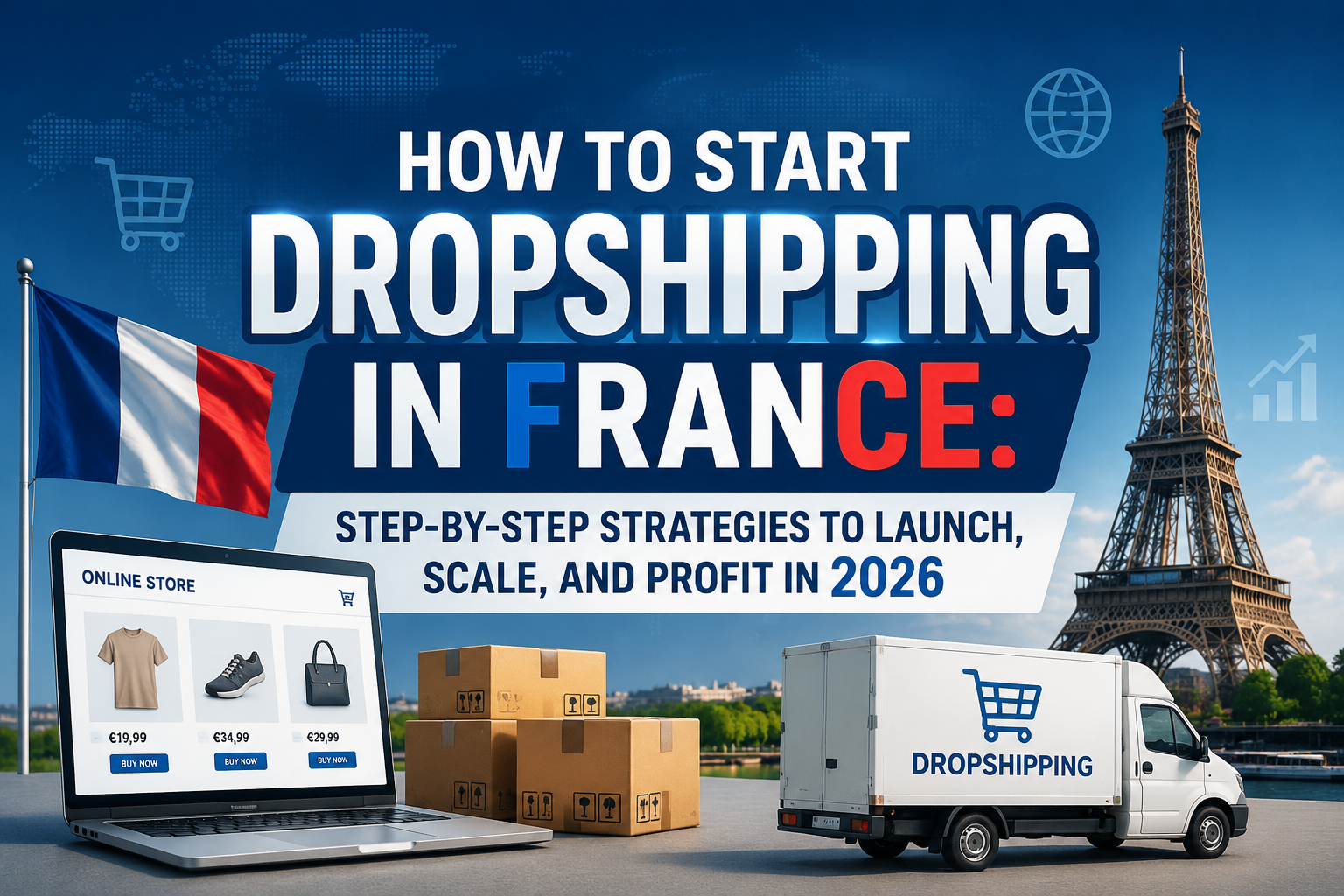
How to Start Dropshipping in France: Step-by-Step Strategies to Launch, Scale, and Profit in 2026

Starting small and testing multiple products within your chosen niche allows you to gather data and refine your approach. A/B testing product pages, running small ad campaigns, and analyzing customer engagement can highlight which items resonate most with French buyers. Over time, this iterative process helps you focus on high-margin products that are likely to succeed long-term.
Choosing the right niche for your French dropshipping store requires a combination of market research, competitive analysis, and a deep understanding of local consumer behavior. By approaching this step methodically, you lay a strong foundation for building a profitable, scalable business in France.
Choosing the Right Niche for the French Dropshipping Market
When starting a dropshipping business in France, selecting the right niche is one of the most critical decisions. A well-chosen niche can determine the overall profitability of your store, the effectiveness of your marketing campaigns, and your ability to stand out in a competitive market. France has unique consumer behaviors influenced by culture, lifestyle, and spending habits, making it essential to analyze local trends before committing to a product category.
French Consumer Preferences
French consumers prioritize quality, authenticity, and sustainability. Products associated with eco-friendliness, artisanal craftsmanship, and premium experiences often resonate better than low-cost mass-market items. Categories such as home décor, wellness and beauty products, gourmet food items, and eco-friendly household goods have seen consistent demand. Researching local marketplaces, such as Amazon.fr and Cdiscount, as well as niche-specific forums and social media channels, can provide insights into trending products and gaps in the market.
Balancing Demand and Competition
While popular products indicate strong demand, they also attract more competition. A successful niche often lies at the intersection of sufficient demand and manageable competition. Tools like Google Trends, SEMrush, or Ahrefs can help identify search volume and keyword difficulty specific to French audiences. Additionally, evaluating competitors’ product offerings, pricing strategies, and customer reviews can reveal unmet needs that your store could address.
Consider Seasonal and Regional Factors
France experiences distinct seasonal trends that influence purchasing behavior. Products related to summer outdoor activities, winter fashion, or holiday gifts have predictable sales peaks. Moreover, certain regions may have preferences for specific products—for example, gourmet food items might perform better in urban centers like Paris or Lyon. Planning your inventory and marketing strategy around these seasonal and regional insights can improve your store’s relevance and sales performance.
Setting Up Your French-Friendly Online Store for Dropshipping Success
Establishing a dropshipping store tailored to French customers requires more than simply translating your website into French. Success hinges on creating a seamless shopping experience that aligns with local preferences, payment habits, and legal requirements. A well-optimized French-friendly store not only improves conversion rates but also builds trust and credibility among potential buyers.
Choosing the Right E-Commerce Platform
Selecting an e-commerce platform is the first step in building your store. Shopify and WooCommerce are popular choices due to their flexibility, extensive plugins, and robust support communities. Shopify offers ease of use and built-in integrations for payment and shipping solutions, while WooCommerce provides deeper customization options for businesses with specific technical needs. Regardless of the platform, it is crucial to ensure that the website can handle French-language content, multi-currency support, and GDPR compliance.
Localizing Payment and Checkout Options
French consumers expect familiar and secure payment methods. While credit and debit cards remain standard, local preferences such as Carte Bancaire, PayPal, and digital wallets like Apple Pay or Google Pay are increasingly popular. Offering multiple payment options during checkout can reduce cart abandonment rates. In addition, clearly displaying prices in euros and including taxes (VAT) in product listings enhances transparency and trust.
Ensuring GDPR and Legal Compliance
France has strict data privacy regulations under the General Data Protection Regulation (GDPR). Your website must include a clear privacy policy, cookie consent banners, and transparent data handling practices. Non-compliance can result in fines and damage to your brand’s reputation. Additionally, adhering to French consumer protection laws, such as providing accurate product descriptions, clear return policies, and accessible customer service, is essential for maintaining credibility.
Optimizing User Experience and Design
French shoppers value clean, intuitive websites with high-quality visuals. Responsive design for mobile devices is critical, as a significant portion of online shopping occurs via smartphones. Fast-loading pages, simple navigation, and easily accessible customer support enhance user experience and increase the likelihood of repeat purchases. Incorporating trust signals, such as verified reviews, secure payment icons, and clear delivery information, further strengthens consumer confidence.
Finding Reliable Suppliers for Dropshipping in France
Securing trustworthy suppliers is a cornerstone of any successful dropshipping business. In the French market, this becomes even more crucial, as consumer expectations for quality, timely delivery, and customer service are high. Choosing the right suppliers can minimize returns, improve customer satisfaction, and ensure long-term profitability.
Evaluating Supplier Reliability
The first step is to assess a supplier’s reliability. Key factors include delivery times, product quality, and consistency. Suppliers that consistently meet delivery deadlines and maintain product standards reduce the risk of negative reviews and lost customers. Requesting samples before committing to a supplier allows you to verify the quality and packaging, ensuring it meets French consumer expectations.
Balancing Local and Global Suppliers
Dropshipping in France can be supported by both local and international suppliers. Local French or European suppliers often provide faster shipping, lower shipping costs, and simpler customs processes. This results in a better customer experience and fewer delays. International suppliers, such as those from China or other regions, may offer lower prices or a broader product range, but shipping times can be longer and customs complications may arise. Carefully weighing these trade-offs is essential for your store’s operational efficiency.
Assessing Communication and Support
Effective communication is another critical aspect. Suppliers who respond promptly, provide clear tracking information, and handle issues professionally can save you significant time and stress. Look for suppliers who offer multilingual support, ideally in English or French, to reduce misunderstandings and streamline problem resolution. Establishing a strong communication channel from the start builds trust and ensures smoother operations.
Monitoring Supplier Performance
Once you select suppliers, ongoing monitoring is necessary. Track delivery times, customer complaints, and return rates to identify any emerging issues. Tools like order management software or dropshipping automation platforms can help you keep an eye on supplier performance in real-time. If a supplier fails to meet standards consistently, it may be better to switch to a more reliable partner rather than compromise your store’s reputation.
Marketing Strategies Tailored for French Dropshipping Customers
Effectively marketing your dropshipping store in France requires a deep understanding of local consumer behavior, cultural nuances, and digital platform preferences. Unlike generic international campaigns, strategies tailored for French buyers can significantly improve engagement, conversions, and brand loyalty.
The French Consumer Mindset
French consumers tend to value quality, aesthetics, and authenticity. They are often skeptical of aggressive sales tactics, preferring subtle and informative marketing. This makes content marketing and storytelling particularly effective. Highlighting product origins, eco-friendly practices, or artisanal craftsmanship resonates well with French buyers and helps establish trust. Social proof, such as verified reviews and testimonials, is also highly influential in purchase decisions.
Leveraging Social Media Channels
Social media is a primary driver of online shopping in France. Instagram, TikTok, and Pinterest have strong engagement rates among French users, especially in lifestyle, fashion, and home décor niches. Tailoring content to local trends, using French-language captions, and collaborating with micro-influencers can increase visibility and credibility. Paid advertising on these platforms should focus on visually appealing creatives, clear value propositions, and call-to-actions that respect the cultural tone.
Utilizing Email and Automation
Email marketing remains an effective tool for nurturing leads and driving repeat purchases. French consumers respond well to personalized campaigns that offer relevant product recommendations, seasonal promotions, or exclusive discounts. Implementing automated workflows for onboarding, cart abandonment, and post-purchase follow-ups ensures consistent engagement without overwhelming the customer. Including French-language copy, professional design, and GDPR-compliant consent banners is essential for compliance and effectiveness.
Optimizing Paid Advertising
For paid ads, Google Ads and Facebook Ads can complement organic efforts. Targeting should consider demographic, geographic, and interest-based parameters to reach the right audience. Testing different creatives, ad formats, and messaging in French helps identify what resonates most. Monitoring key metrics such as click-through rate, cost per acquisition, and conversion rate ensures your campaigns remain cost-effective and scalable.
Handling Taxes, Duties, and Legal Considerations for French Dropshipping
Navigating the complex legal and tax landscape is essential when starting a dropshipping business in France. Misunderstanding regulations can lead to penalties, delays in shipments, or damaged brand reputation. Ensuring compliance with French and European laws safeguards your business and builds trust with customers.
VAT and Tax Obligations
Value-Added Tax (VAT) is a critical component of e-commerce in France. Dropshippers must charge the correct VAT rate depending on whether the supplier is inside or outside the EU. For products shipped from within the EU, VAT is usually included in the sale price. For imports, you may need to register for VAT in France and account for customs duties. Familiarity with EU VAT rules and the One Stop Shop (OSS) system can simplify reporting and ensure proper tax compliance.
Managing Import Duties and Customs
Dropshipping products from international suppliers involves understanding customs procedures. France has specific import duties depending on product type and origin. Failing to accurately declare items can result in delays, fines, or additional costs passed to the customer. Working with suppliers who provide detailed customs documentation and partnering with carriers experienced in EU imports can streamline the process and prevent unexpected issues.
Complying with Consumer Protection Laws
French consumer law prioritizes transparency and fairness. Online stores must provide clear product descriptions, pricing, and return policies. Customers in France have the right to a 14-day cooling-off period, during which they can return purchases for a refund. Ensuring your store’s policies are compliant with these regulations avoids disputes and enhances trust. Additionally, protecting customer data under GDPR is mandatory, requiring consent for cookies, secure storage of personal information, and clear privacy policies.
Drafting Clear Contracts and Agreements
If you collaborate with suppliers or third-party logistics providers, having well-defined contracts is crucial. Contracts should outline responsibilities, delivery timelines, liability for damaged goods, and terms for order cancellations or disputes. Legal clarity protects both parties and provides recourse in case of issues, reducing operational risks.
Staying Updated with Regulatory Changes
E-commerce regulations in France and the EU evolve regularly. Keeping abreast of legislative updates, tax adjustments, and customs policies is vital for ongoing compliance. Subscribing to official government updates, consulting with tax professionals, or using automated compliance tools ensures your store remains fully compliant and avoids costly mistakes.
Handling taxes, duties, and legal considerations requires careful planning, accurate record-keeping, and ongoing vigilance. By proactively addressing these aspects, your French dropshipping store can operate smoothly, maintain customer trust, and avoid legal complications.
Optimizing Order Fulfillment and Customer Service for French Dropshipping Stores
Efficient order fulfillment and excellent customer service are critical factors in building a successful dropshipping business in France. Delays, miscommunication, or poor post-purchase support can quickly damage customer trust and reduce repeat purchases. Optimizing these processes ensures a smooth shopping experience and strengthens your store’s reputation.
Ensuring Fast and Reliable Shipping
French customers value timely delivery and transparency in shipping. Partnering with European or local warehouses can significantly reduce shipping times compared to overseas fulfillment. If relying on international suppliers, clearly communicate expected delivery times and provide tracking information for every order. Offering multiple shipping options, including express delivery, enhances customer satisfaction and reduces the likelihood of negative reviews.
Streamlining Returns and Refunds
A clear and efficient returns policy is essential under French consumer law, which grants buyers a 14-day cooling-off period. Simplifying the returns process, providing prepaid return labels, and promptly processing refunds can turn potentially negative experiences into opportunities to demonstrate reliability and earn loyalty. Tracking return metrics can also help identify product or supplier issues early.
Implementing Effective Customer Support
Customer service is a key differentiator for dropshipping stores. Providing responsive support in French—via email, chat, or phone—helps resolve issues quickly and reinforces trust. Utilizing helpdesk software to manage inquiries and track response times ensures consistency. Training your team to address common concerns, such as order status, product questions, or returns, reduces friction and improves customer satisfaction.
Leveraging Automation and Technology
Automation tools can enhance both fulfillment and support. Inventory management systems can synchronize stock levels with suppliers, preventing overselling and stockouts. Automated notifications keep customers informed about order confirmation, shipping, and delivery. Chatbots or AI-assisted support can handle routine questions, freeing up human agents for more complex issues. Combining technology with personal attention ensures efficiency without sacrificing quality.


No Comments