


Is Dropshipping Mens Fashion Profitable: High-Margin Niches, Private Label Strategies, Seasonal Trends, and Scalable Bundle Opportunities

Entrepreneurs exploring how to make money from dropshipping mens fashion often discover that streetwear provides one of the clearest paths to scalable growth. The combination of relatively low manufacturing costs, strong consumer demand, and high perceived value creates favorable profit dynamics.
A typical dropshipping streetwear business might source products at $15–$25, sell them for $50–$90, and achieve gross margins in the 55–70% range before advertising expenses. When paired with strong branding and targeted digital marketing, these margins provide enough room to scale paid traffic campaigns and grow revenue.
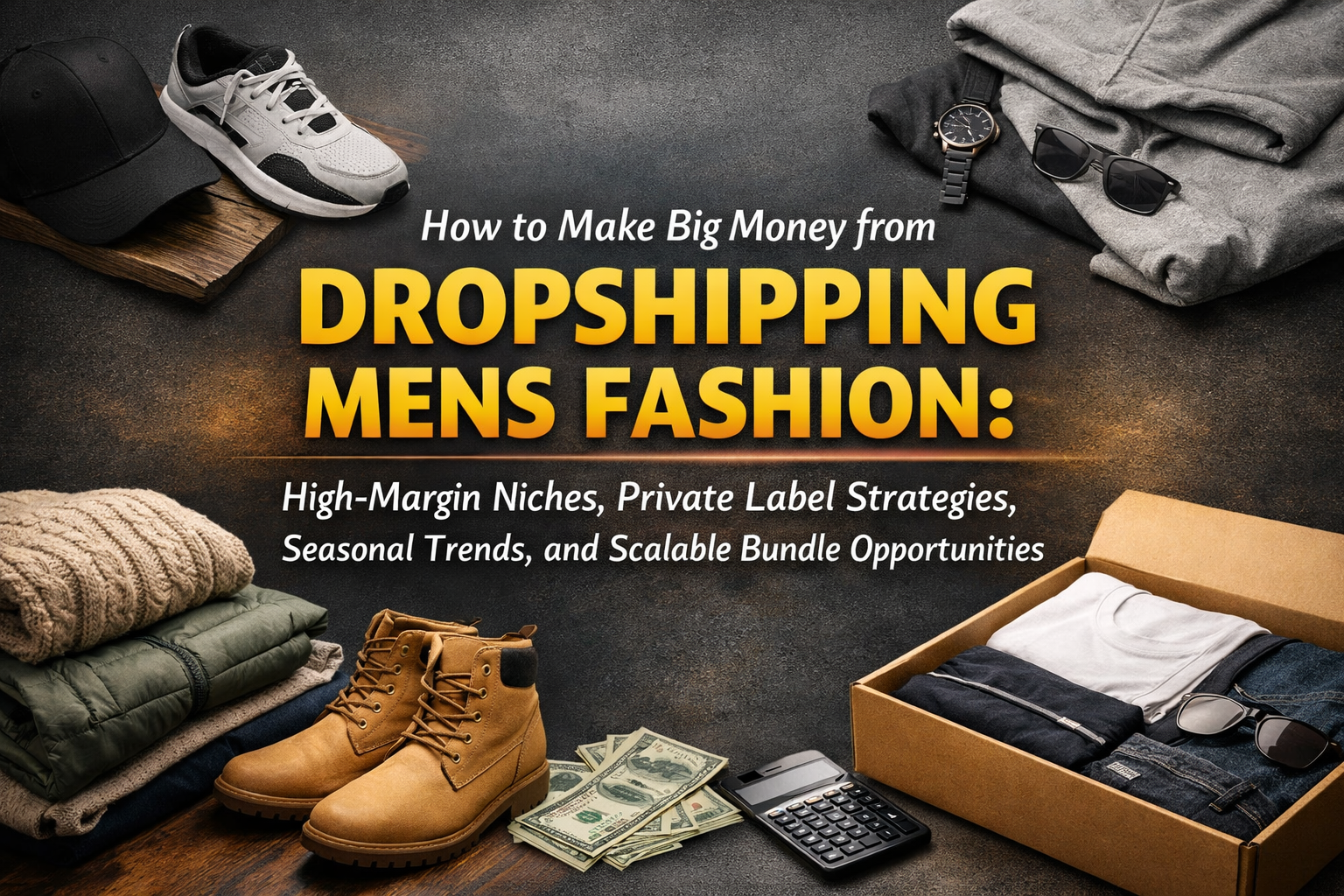
How to Make Money from Dropshipping Mens Fashion with High-Margin Streetwear Brands
Streetwear has evolved from a niche subculture into one of the most influential sectors of the global apparel industry. Over the past decade, the category has been driven by youth culture, social media trends, and collaborations between fashion brands and entertainment franchises. According to industry estimates, the global streetwear market is valued at over $185 billion, and it continues to expand as younger consumers prioritize casual, expressive clothing over traditional formalwear.
For ecommerce entrepreneurs, this shift creates a compelling opportunity. Streetwear products typically command gross margins between 50% and 75%, significantly higher than many consumer electronics or commodity products often sold in dropshipping stores. Because much of the perceived value in streetwear comes from branding, design, and cultural relevance rather than raw manufacturing cost, retailers can maintain healthy profit margins even when sourcing from overseas suppliers.
Understanding this economic dynamic is essential when analyzing how to make money from dropshipping mens fashion, especially within high-demand subcultures like streetwear.
Why Streetwear Works Especially Well for Dropshipping
Unlike tailored suits or complex garments, many streetwear products are relatively simple to manufacture. Items such as oversized hoodies, graphic T-shirts, cargo pants, and baseball caps typically use standard fabrics and production techniques. In global supply chains, a graphic hoodie that costs $12–$20 to produce can often retail online for $45–$80, depending on branding and marketing.
This cost structure makes streetwear highly compatible with dropshipping models. Sellers can test different styles without holding inventory and quickly pivot toward designs that resonate with consumers. Because streetwear trends move rapidly, the flexibility of dropshipping allows store owners to react to viral styles emerging from platforms like TikTok or Instagram.
Another advantage is the relatively strong average order value (AOV). Many streetwear consumers purchase multiple items per order—such as pairing hoodies with hats or accessories—pushing typical ecommerce orders into the $70–$120 range. Higher AOV directly increases profitability, particularly when advertising costs are involved.
The Role of Branding and Cultural Trends
A defining feature of streetwear economics is that brand identity often matters more than product complexity. Limited releases, influencer collaborations, and community identity can transform inexpensive garments into premium-priced items. This phenomenon explains why some streetwear labels operate with gross margins exceeding 70%.
For dropshipping entrepreneurs, the lesson is clear: success in streetwear rarely depends solely on the product itself. Instead, profitability often comes from storytelling, visual identity, and aligning with cultural movements. Stores that build a recognizable aesthetic—such as minimalist urban fashion, retro 1990s graphics, or anime-inspired streetwear—can differentiate themselves in an otherwise crowded market.
Digital marketing also amplifies this effect. Streetwear brands that successfully leverage short-form video platforms frequently see viral demand spikes, allowing sellers to scale quickly without large upfront investment.
How to Make Money from Dropshipping Mens Fashion Through Premium Minimalist Apparel
Over the past decade, minimalist fashion has emerged as one of the fastest-growing segments in the global apparel market. Instead of bold graphics or heavy branding, minimalist menswear focuses on clean silhouettes, neutral color palettes, and versatile wardrobe essentials. The appeal is rooted in practicality: modern consumers increasingly prefer clothing that can be worn across multiple occasions while maintaining a refined aesthetic.
Industry research suggests that the global menswear market is valued at more than $570 billion, and a significant share of recent growth has been driven by minimalist and “capsule wardrobe” trends. Direct-to-consumer apparel brands built around minimalist design have expanded rapidly, especially in North America and Europe. These brands often emphasize quality basics such as plain T-shirts, tailored joggers, lightweight jackets, and neutral sweaters. Because these products rely on timeless design rather than seasonal trends, they maintain consistent demand throughout the year.
For entrepreneurs studying how to make money from dropshipping mens fashion, minimalist apparel offers an attractive balance of stable demand and strong profit potential.
Why Minimalist Apparel Has Strong Profit Margins
One of the reasons minimalist fashion performs well in ecommerce is its efficient cost structure. Many minimalist garments use simple patterns and fewer design elements compared with heavily decorated clothing. This simplicity reduces manufacturing complexity while still allowing brands to position products as premium essentials.
For example, a high-quality cotton T-shirt sourced from global manufacturers may cost $6–$12 to produce. In online stores targeting minimalist fashion consumers, similar items frequently retail for $35–$60. This pricing structure creates potential gross margins of 55–65%, even before branding and bundle strategies are applied.
Sweatshirts, knitwear, and lightweight jackets often produce even stronger margins. A minimalist sweatshirt with a production cost around $15–$22 can often sell for $70–$120 in a well-positioned online store. The difference between manufacturing cost and perceived value is largely driven by branding, product photography, and lifestyle positioning.
These economics make minimalist menswear especially suitable for dropshipping models, where sellers can test product categories without maintaining large inventories.
The Capsule Wardrobe Trend and Consumer Behavior
Minimalist fashion has also been fueled by the growing popularity of the “capsule wardrobe.” This concept encourages consumers to build a smaller collection of high-quality clothing pieces that can be easily mixed and matched. Instead of buying dozens of trend-driven items each season, shoppers invest in versatile basics that remain stylish for years.
From an ecommerce perspective, this purchasing behavior often results in higher order values. A customer shopping for minimalist apparel may purchase several coordinated items at once—such as neutral T-shirts, slim trousers, and outerwear—creating an average order value that frequently exceeds $90–$140 in online fashion stores.
This pattern improves profitability because higher order values allow retailers to spread advertising costs across multiple products. As a result, stores selling minimalist clothing can maintain healthier margins even when using paid acquisition channels.
How to Make Money from Dropshipping Mens Fashion in the Athleisure Market
Athleisure has become one of the most powerful trends in modern apparel. Originally driven by the rising popularity of fitness culture, the category has evolved into a mainstream fashion segment that blends athletic functionality with everyday style. Consumers increasingly expect clothing that can transition seamlessly from the gym to casual settings, making athleisure one of the fastest-growing sectors in menswear.
Market research estimates that the global athleisure market has surpassed $350 billion, with annual growth rates projected between 7% and 9% over the next several years. The growth is fueled by several structural shifts in consumer behavior. Remote work, health awareness, and the normalization of casual dress codes have significantly expanded demand for comfortable clothing such as joggers, performance T-shirts, hoodies, and training shorts.
For entrepreneurs researching how to make money from dropshipping mens fashion, athleisure represents a category where demand is both global and persistent. Unlike highly seasonal fashion segments, many athleisure products maintain stable sales throughout the year.
Profit Margins in Athleisure Dropshipping
From a business perspective, athleisure combines relatively low manufacturing costs with strong retail pricing power. Many performance garments are produced using polyester blends, spandex, or moisture-wicking fabrics that are inexpensive to manufacture at scale. At the same time, consumers associate athletic apparel with performance benefits, which allows brands to price products at a premium.
For example, a pair of athletic joggers sourced from overseas manufacturers may cost $12–$18 to produce. In online stores targeting fitness-focused audiences, similar products frequently sell for $45–$80. This pricing structure creates potential gross margins of 45–65% depending on branding and marketing strategy.
Performance T-shirts and training shorts follow a similar pattern. A moisture-wicking athletic shirt produced for $7–$12 can retail for $30–$55, while premium hoodies often move from $20 production cost to $70–$120 retail prices. The difference between manufacturing cost and perceived value is driven largely by brand positioning and the promise of performance features such as breathability or stretch.
These margins make athleisure an attractive segment for dropshipping entrepreneurs who rely on digital marketing to acquire customers.
Consumer Behavior and Repeat Purchase Potential
Another reason athleisure is appealing for ecommerce businesses is its strong repeat purchase rate. Fitness enthusiasts and casual gym-goers frequently update their activewear wardrobes. Unlike formal clothing that may last for years with limited use, athletic apparel is worn frequently and replaced more often due to wear and tear.
This pattern creates opportunities for recurring revenue. A customer who initially purchases a pair of training shorts may later return for compression shirts, gym hoodies, or additional workout gear. As a result, many successful athleisure brands report repeat purchase rates above 30%, which significantly improves long-term profitability.
The category also benefits from lifestyle marketing. Social media platforms filled with workout routines, fitness influencers, and transformation stories provide a natural environment for promoting athletic apparel. Products that appear in fitness content often gain credibility quickly, making digital advertising particularly effective for athleisure-focused ecommerce stores.
How to Make Money from Dropshipping Mens Fashion with Private Label Strategies
Many beginners enter ecommerce through traditional dropshipping models where products are sold exactly as supplied by manufacturers. While this approach reduces upfront investment, it often limits profit potential because the same products can be found across multiple stores. In competitive categories like menswear, differentiation becomes essential for long-term success.
Private labeling offers a strategic solution. Instead of selling generic products, entrepreneurs work with manufacturers to add their own branding, packaging, or slight design modifications. This transformation allows a basic garment to become a recognizable brand product rather than a commodity. As a result, pricing power increases significantly.
In standard dropshipping stores, gross margins often range between 25% and 40%. Once private labeling is introduced, those margins frequently increase to 60%–75%, depending on the brand positioning and target market. For entrepreneurs studying how to make money from dropshipping mens fashion, private label strategies can therefore be one of the most effective ways to build a scalable and defensible business.
The Cost Structure Behind Private Label Menswear
One of the reasons private labeling works so well in fashion is the relatively low manufacturing cost of basic garments. Items such as T-shirts, hoodies, and joggers are produced in massive global quantities, meaning that small branding modifications do not significantly increase production expenses.
For example, a standard cotton T-shirt may cost $5–$8 to manufacture. Adding a custom label, logo print, or branded packaging might increase the cost to $8–$12. However, once positioned as a branded product in an online store, the same item can often retail for $35–$60.
This pricing difference creates gross margins that frequently exceed 65%, even before scaling through advertising. Hoodies and sweatshirts often demonstrate an even stronger margin structure. A hoodie produced for $18–$25 under a private label arrangement can be sold online for $80–$120, particularly when supported by strong branding and professional product photography.
These economics explain why many successful direct-to-consumer fashion brands begin with private label manufacturing.
Branding as a Competitive Advantage
The true value of private labeling lies not only in pricing but also in brand perception. When consumers purchase fashion products, they are rarely buying fabric alone. Instead, they are buying identity, lifestyle, and aesthetic positioning.
Private labeling allows ecommerce entrepreneurs to craft a consistent brand story. A menswear store might focus on urban streetwear, minimalist essentials, or performance-inspired athletic clothing. By presenting products through a unified visual identity, the store becomes more memorable and trustworthy to consumers.
This differentiation also reduces direct price competition. Generic dropshipping products are easily compared across dozens of online stores, forcing sellers into constant discounting. Branded products, on the other hand, compete primarily on style and brand identity rather than on price alone.
Over time, strong branding can significantly increase customer loyalty and repeat purchases, which are crucial for long-term ecommerce profitability.
How to Make Money from Dropshipping Men's Fashion by Leveraging Seasonal Demand
Fashion is one of the most seasonally driven industries in global ecommerce. Unlike electronics or household goods, clothing demand fluctuates strongly throughout the year based on weather changes, holidays, and cultural shopping periods. For online retailers, understanding these cycles is essential for maximizing revenue and profit margins.
The global menswear market exceeds $570 billion, and a large portion of annual sales is concentrated in a few key shopping periods. Winter clothing, for example, typically generates the highest margins because outerwear products command higher retail prices. Similarly, major shopping events such as Black Friday, Christmas, and back-to-school periods create large spikes in online apparel purchases.
For entrepreneurs studying how to make money from dropshipping mens fashion, seasonal demand creates opportunities to strategically introduce high-margin products at specific times of the year.
High-Margin Opportunities in Winter Apparel
Among all clothing categories, winter apparel tends to offer the strongest pricing power. Products such as jackets, parkas, sweaters, and thermal hoodies require heavier fabrics and layered construction, which allows retailers to justify higher prices.
A winter jacket sourced from overseas manufacturers might cost $30–$50 to produce. In many online fashion stores, similar products retail between $100 and $180, generating potential gross margins of 55–70%. Even simpler winter products such as knit sweaters demonstrate strong margins. A sweater produced for $12–$20 can frequently sell for $45–$80.
The perceived value of warmth and comfort during colder months allows retailers to maintain higher prices with less resistance from consumers. This makes winter clothing one of the most profitable segments for dropshipping stores.
Summer and Lifestyle-Oriented Fashion Sales
Although winter products tend to deliver higher individual margins, summer apparel benefits from higher sales volume. Lightweight T-shirts, shorts, and casual shirts are among the most frequently purchased items in menswear. Because these products are relatively inexpensive, consumers often purchase multiple items at once.
For instance, a cotton T-shirt that costs $6–$10 to produce can typically retail online for $25–$40, resulting in gross margins around 50–60%. When customers purchase several shirts in a single order, average order value increases significantly, which improves overall profitability.
Seasonal lifestyle trends also influence purchasing behavior. Beach vacations, outdoor activities, and music festivals often drive demand for casual menswear. Dropshipping stores that align their product catalog with these seasonal experiences can capture strong bursts of demand during warmer months.
Strategic Timing and Promotional Cycles
Successful ecommerce stores rarely rely on a static product catalog throughout the year. Instead, they adjust their offerings to match seasonal demand cycles. For example, winter outerwear might be introduced several months before colder weather arrives, allowing stores to capture early demand and build momentum through digital marketing campaigns.
Major shopping events also play a critical role. Online apparel sales during Black Friday and Cyber Monday frequently increase by 30–50% compared with typical weeks, making these periods ideal for promoting high-margin fashion products. Holiday gift shopping in December can produce another large spike in menswear purchases, particularly for sweaters, hoodies, and accessories.
How to Make Money from Dropshipping Mens Fashion with Bundle and Upsell Strategies
In most ecommerce businesses, profitability is determined not only by product margins but also by average order value (AOV). Advertising costs, payment processing fees, and logistics expenses remain relatively constant per order, meaning that increasing the value of each transaction can dramatically improve profit margins. This principle is particularly important in the fashion industry, where individual items such as T-shirts or shorts may have moderate price points.
For entrepreneurs exploring how to make money from dropshipping mens fashion, bundle and upsell strategies provide one of the most effective ways to increase revenue without acquiring additional customers. Instead of selling a single garment per order, stores encourage customers to purchase coordinated items together, such as pairing shirts with pants or adding accessories at checkout.
Studies in ecommerce conversion optimization suggest that well-designed upsell strategies can increase average order value by 40–80%, making them a powerful profit driver for online fashion retailers.
The Profit Structure of Bundled Menswear Products
Menswear naturally lends itself to bundling because many clothing items are designed to be worn together. A customer purchasing a hoodie may also need joggers, a cap, or a basic T-shirt to complete the outfit. When these items are presented as coordinated bundles, customers often perceive the purchase as both convenient and cost-effective.
Consider a typical example. A graphic hoodie sourced through dropshipping may cost $18–$25 and retail for $60–$90, producing a gross margin around 55–65%. If the store bundles that hoodie with joggers and a cap, the combined product cost might reach $35–$45, while the bundle could retail for $120–$160.
This structure allows stores to maintain strong margins while significantly increasing order value. Instead of earning profit from a single garment, the retailer captures margin from multiple products within the same transaction.
High-Margin Accessories and Upsell Opportunities
Accessories are particularly valuable in upsell strategies because they typically have very high profit margins. Items such as caps, belts, socks, sunglasses, and minimalist jewelry are inexpensive to produce but can command strong retail prices when positioned as fashion accessories.
For instance, a baseball cap manufactured for $4–$7 may sell online for $20–$35, generating gross margins often exceeding 65–75%. Similarly, socks or simple bracelets produced for a few dollars can retail for several times their manufacturing cost.
These products are ideal for checkout upsells because they require minimal decision-making from customers. When presented as “complete the look” recommendations, accessories frequently convert at high rates and raise total order value with little additional marketing cost.
Consumer Psychology Behind Outfit-Based Shopping
Another factor that makes bundling effective in menswear is consumer psychology. Many shoppers prefer to purchase complete outfits rather than selecting individual items separately. By presenting coordinated clothing combinations—such as a streetwear set or a minimalist wardrobe bundle—stores simplify the buying process and reduce decision fatigue.
This approach also reinforces brand identity. When customers see curated outfits rather than isolated products, the store appears more like a fashion brand and less like a generic product marketplace. This perception increases trust and encourages larger purchases.
In ecommerce analytics, stores that implement outfit-based bundles frequently report higher conversion rates and stronger repeat purchase behavior because customers view the brand as a style guide rather than just a retailer.




No Comments