


How to Find Reliable Dropshipping Suppliers: Insider Strategies That Save Time, Cut Risk, and Boost Profits

Using niche-specific platforms reduced my supplier-related headaches significantly. I found that the suppliers were more responsive, shipment delays were fewer, and product quality was consistently higher. Additionally, I gained access to exclusive items not widely available, which became a unique selling proposition for my store.
Leveraging niche marketplaces isn’t just about finding suppliers; it’s about discovering vendors who share your product philosophy and can maintain consistent quality. For me, this strategy transformed a chaotic supplier search into a structured, reliable system that I could scale.
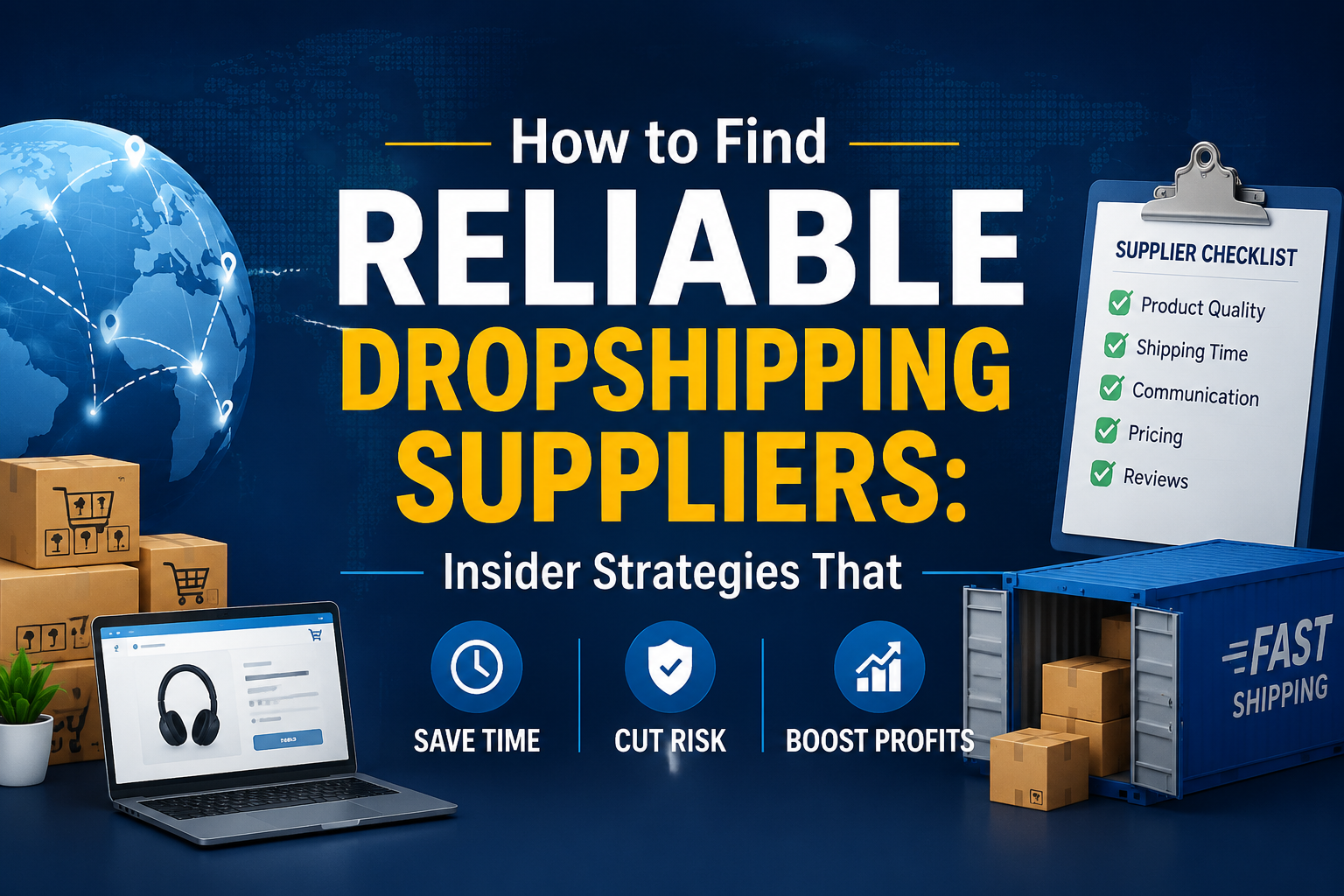
Finding Hidden Gems: Niche Marketplaces for Reliable Dropshipping Suppliers
When I first started my dropshipping journey, I quickly realized that general platforms like AliExpress or Alibaba were flooded with options, but quality and reliability varied wildly. My breakthrough came when I turned to niche-specific marketplaces—platforms dedicated to particular product categories rather than general B2B trade.
How I Discovered Niche Suppliers
For instance, when I wanted to sell eco-friendly kitchenware, I found a small Scandinavian marketplace that specialized in sustainable home products. Unlike giant platforms where thousands of suppliers offer similar items, this marketplace curates vendors with verified sustainability certifications. I reached out to one of the sellers and requested their production timeline and shipping reliability records. The data they provided gave me confidence to test their products in my store.
The Advantage of Focused Marketplaces
What I learned is that niche marketplaces provide access to suppliers who are more specialized, often producing higher-quality items and willing to engage in smaller-volume, dropshipping-friendly orders. They tend to understand the end customer better, which reduces miscommunication and product misrepresentation. By focusing on these marketplaces, I could avoid the trial-and-error of randomly contacting suppliers on general platforms.
My Process for Vetting Suppliers on Niche Platforms
I always start by reviewing the platform’s vetting criteria—some marketplaces require suppliers to submit certificates, product photos, and customer references before listing. Then, I check reviews for specific products I intend to sell, not just the supplier overall. I even order small test units to verify the packaging, quality, and shipping speed. One particular vendor offered samples within 48 hours and included detailed documentation of material sources, which gave me confidence to launch a full product line.
Seeing is Believing: How Factory Visits Ensure Reliable Dropshipping Suppliers
In my early dropshipping days, I relied entirely on online communication and samples from suppliers. While that approach works for some, I learned the hard way that what looks good online can be very different in reality. My turning point came when I started visiting factories in person.
The Eye-Opening Experience of On-Site Visits
I remember flying to a supplier in Guangzhou who had an excellent online reputation. When I arrived, I noticed several red flags: inconsistent packaging, unfinished products waiting in the open air, and workers who seemed untrained on quality standards. By speaking directly to the production manager and inspecting their assembly line, I could immediately evaluate whether the supplier met my standards for reliability. Without this visit, I would have placed a large order that might have resulted in delayed shipments and unhappy customers.
How I Conduct Factory Audits
Factory visits are more effective when paired with a structured audit. I bring a checklist covering production capacity, packaging quality, lead times, and worker expertise. During my visit, I also observe logistics processes—how they handle bulk orders and returns. For instance, one supplier’s warehouse had clear labeling and inventory management, which gave me confidence they could handle dropshipping quantities without errors.
Why This Approach Pays Off
Most dropshipping guides focus on online vetting, but firsthand verification adds a layer of certainty. I’ve found that suppliers who welcome factory visits are typically more transparent and committed to quality. The relationships built through these visits often result in priority service, better negotiation terms, and even early access to new products.
Numbers Don’t Lie: Using Performance Data and Customer Feedback to Find Reliable Dropshipping Suppliers
When I first started dropshipping, I used to rely on gut feeling and a few sample orders to judge suppliers. While this occasionally worked, I realized it was far from a reliable strategy. The breakthrough came when I started analyzing supplier performance data and real customer feedback systematically.
Diving into Supplier Metrics
One of my first discoveries was that suppliers with strong historical performance rarely hide their records. I track metrics such as average shipping times, order fulfillment accuracy, and complaint resolution rates. For example, I once noticed two suppliers offering similar products; both claimed same-day dispatch, but one consistently had 2–3 day delays. By pulling together order tracking data from my store’s past transactions, I could see the patterns clearly. This allowed me to avoid suppliers who seemed good on paper but underperformed in practice.
Leveraging Customer Reviews for Real Insights
I also pay close attention to customer reviews, not just on the supplier’s platform but across marketplaces and social media. In one instance, a highly rated electronics supplier on a popular platform had multiple complaints about faulty adapters when customers shared their experiences on Reddit and niche tech forums. These subtle signals saved me from partnering with a supplier that would have led to returns, refunds, and damaged credibility.
Combining Data and Direct Communication
The key is to combine quantitative data with direct communication. I regularly reach out to suppliers with questions about past performance and fulfillment capacity. If a supplier hesitates to provide historical data or answer specific questions, it’s usually a red flag. Conversely, those willing to share detailed reports and discuss improvements become reliable long-term partners.
Beyond Transactions: Building Long-Term Relationships with Dropshipping Suppliers
Early in my dropshipping career, I treated supplier relationships as simple transactions: find a supplier, place an order, and move on. That approach worked short-term but often led to inconsistent product quality, delayed shipments, and frustrated customers. The game-changer came when I shifted my focus to building long-term partnerships.
Investing in Trust and Communication
I remember working with a supplier of premium home décor items. Instead of just ordering products, I scheduled weekly calls to discuss upcoming trends, inventory planning, and potential customizations. By investing time in communication, I was able to negotiate better pricing, faster shipping schedules, and even priority access to limited stock. Over time, this supplier became more than just a vendor—they felt like an extension of my brand.
Co-Creation and Product Customization
Long-term partnerships allow for collaboration in ways that one-time deals cannot. For example, I worked with a supplier to create a small-batch exclusive product line. This required shared insights into customer preferences and joint problem-solving on materials and design. The result was a product that customers couldn’t find elsewhere, giving my store a unique selling edge and increasing repeat purchase rates.
Predictability and Risk Reduction
Having a trusted, long-term supplier reduces uncertainty. I no longer need to constantly vet new vendors for each product line, and I can rely on their responsiveness during peak seasons. For instance, during last year’s holiday rush, my long-term suppliers automatically adjusted their inventory allocations to ensure timely fulfillment. In contrast, one-time suppliers often struggled to meet sudden demand.
Reducing Supply Chain Risk: Backup Suppliers and Local Warehousing for Dropshipping
In the early stages of my dropshipping business, I learned the hard way that relying on a single overseas supplier is risky. One holiday season, a supplier I trusted for a best-selling product experienced a factory fire, leaving my store unable to fulfill orders for weeks. Since then, I’ve built a system combining backup suppliers and local warehousing to safeguard my business.
The Value of Backup Suppliers
I always maintain at least two alternative suppliers for each product category. When I first implemented this, I was selling smart home gadgets sourced from a popular Asian manufacturer. I identified a secondary supplier in Europe who could fulfill small-batch orders quickly. When my primary supplier experienced a shipment delay, I immediately switched to the backup without affecting my customers’ experience. This redundancy prevented revenue loss and protected my store’s reputation.
Local Warehousing as a Safety Net
In addition to backup suppliers, I started using small local warehouses for fast-moving products. By keeping inventory closer to my customers, I reduced shipping times and minimized international shipping disruptions. For example, when a customs backlog delayed overseas shipments, I could fulfill orders directly from a local warehouse stocked by my secondary supplier. This strategy not only improved delivery speed but also boosted customer satisfaction and repeat purchases.
How I Manage Risk Strategically
I track inventory levels, lead times, and supplier reliability metrics for both primary and backup sources. Every quarter, I test the backup suppliers with small orders to ensure their readiness. Similarly, I rotate products in local warehouses to avoid stock obsolescence. This systematic approach allows me to respond quickly to unexpected events without panicking or compromising order fulfillment.
Compliance First: Ensuring Legal and Product Standards in Dropshipping Suppliers
When I first expanded my dropshipping store into international markets, I underestimated the importance of legal compliance and product quality verification. Early on, I almost faced a shipment hold at customs because a supplier didn’t provide proper certification for electronic goods. That experience taught me that verifying legal and quality standards is non-negotiable.
Checking Legal Credentials and Certifications
I always request formal documentation from potential suppliers before placing orders. For example, when sourcing kitchen appliances, I insist on CE or FCC certificates depending on the target market. One supplier initially claimed compliance but couldn’t provide valid certificates. After refusing to work with them, I found a manufacturer who not only supplied the documents but also offered copies of lab test results for each product batch. This gave me the confidence to scale the product line without risking fines or shipment delays.
Inspecting Product Quality Personally
Beyond paperwork, I often request samples and conduct my own quality tests. For instance, I once sourced fitness accessories from a new vendor. I tested their weight resistance and durability over several days, documenting the results. The first batch showed inconsistencies, so I worked with the supplier to adjust production processes. By the third batch, the product met my standards and customer satisfaction improved dramatically.
Working with Compliance Experts
In some cases, I also consult with local compliance experts to ensure that labeling, materials, and safety standards align with regulations in different regions. This step is particularly important for products like cosmetics or electronics, where regulations are strict. Partnering with experts saved me from potential legal troubles and ensured that my products could be sold without interruption.
Real-World Impact
By integrating compliance checks and quality inspections into my supplier vetting process, I drastically reduced returns, refunds, and legal headaches. One supplier who passed both my quality tests and legal verification became a long-term partner, consistently providing products that exceeded customer expectations. This approach turned supplier selection into a reliable, repeatable process that strengthened my brand reputation and trustworthiness.
Ensuring legal compliance and product quality before committing to a supplier is not just precaution—it’s a strategic advantage. For me, this diligence has been critical to running a sustainable and credible dropshipping business.

No Comments